
About Us
We are an organization by, for, and of RTPC faculty who want to unionize to improve our teaching and employment experience here at USC. Our teaching not only benefits the university and the California economy, but has lasting deep impacts on our students. We work in many different fields and have varied experiences, but our dedication to teaching and research unites us all.

Helen Kim
Roski School of Art and Design
Lecturer
I’ve been an adjunct instructor at USC’s Roski School of Art and Design for 25 years. Over that time, I’ve seen colleagues leave for better pay and better working conditions elsewhere while those who remain are forced to pick over scraps as courses continue to get cut. We deserve far better, and I believe a strong union will get us there.
Kate Levin
Dornsife
Associate Professor (Teaching)
I love teaching at USC, and am fighting to make it better and more equitable by building a strong faculty union here. Having been a member of a faculty union at another university, I know how valuable it is to have a way to bargaining collectively with our employer over issues that matter to us. I know the peace of mind that comes from having a union contract that says exactly what raises we can expect year over year, because we won them at the negotiating table. I know how reassuring it is to know that, thanks to our legally binding union contract, the university can’t simply remove a benefit that we’ve been depending on. I want that power and that peace of mind for all RTPC faculty here at USC. We deserve it.

Peter Enzminger
Price School of Public Policy
Adjunct Instructor
As excited as I was to get an offer to teach a class at USC, I was still stunned when I received my offer letter. Surely this wasn’t the going rate for adjunct faculty, who support so much of the teaching, learning, and mentoring at this school? But beyond issues of compensation, I support forming a union because I care about the faculty community here at USC. As a part-time adjunct instructor, I am organizing in solidarity with everyone who has been waiting to have their needs addressed by the university. We need a collective voice to ensure that we receive fair and just consideration.

Pedro Spindler-Ruiz
Price School of Public Policy
Adjunct Instructor
I love working and teaching at USC. I also believe our students deserve the best education possible. It’s very frustrating and difficult when I don’t have the adequate support and tools I need to teach my classes. USC should ensure that we, as RTPC faculty, receive the necessary resources to teach our students most effectively, along with fair and just compensation. I support forming a union in solidarity with other RTPC faculty so that we can collectively advocate for our needs, hold USC accountable, and improve working conditions.
Helen Choi
Viterbi
Senior Lecturer of Engineering Writing
The evidence is clear: unions help us maintain what we have and build for the future. As part of a union, I know that I won’t be alone and my voice will be heard, and most importantly, I know that I can be part of a meaningful conversation about working conditions, pay, and benefits. I don’t have to be satisfied with a “take it or leave it” offer; instead, I can be part of a collective effort that prioritizes fairness and shared governance. Our university is a big place, and it will take all of us to steer it in a way that our students and future generations can be proud of; with a union, we can ensure that RTPC faculty are always an essential part of the university’s decision making.
Jay Smith
Gould
Lecturer in Law
I’m a lecturer in the Gould School of Law. I co-teach a one-semester class every other year or so. I’m a practicing lawyer, but I do enjoy teaching at USC. Every group of employees, as we are at USC, benefits from an independent collective voice. That’s what this union is. More than just a voice, it gives us a seat at the table. Our ideas for how to improve our jobs at USC will have no power behind them without this union. It’s that simple. Vote Yes for this Union!

Patrick Corbin
Kaufman School of Dance
Associate Professor of Practice
I love USC and my job at USC! The challenges that RTPC faculty face across both campuses can be addressed if we come together. I came to USC in 2015 to help start the first new school at USC in forty years. I have been teaching full-time for nine years without a sabbatical. I am exhausted. My workload profile percentages do not reflect the reality of what is expectedof me as a full-time RTPC faculty member. These are issues that we can solve by coming together. I love teaching, and want the best for our students. Unionizing will help us serve our USC community and our students better.
Renée Smith-Maddox
Dworak-Peck School of Social Work
Professor of Teaching
Gains won by struggle and solidarity remain relevant to contractual faculty nationwide. Workplace frustrations among contingent faculty and graduate students are rising. These problems are hampering USC RTPC faculty’s ability to teach our students, do research, and just get our work done. By forming a union, RTPC faculty can improve job security, working conditions, and benefit options. Moreover, our unionizing efforts align with USC’s unifying values (integrity, excellence, accountability, open communication, well-being, diversity, equity, and inclusion). By creating more transparent procedures and fair processes, collective bargaining can also improve the learning conditions for our students. These are the reasons why I support forming a union. Let’s “Fight On” together to make USC a more equitable, fair, and just working and learning environment.

Ryan Boyd
Dornsife
Associate Professor (Teaching)
For USC to remain a world-class university, the people who are the institution’s backbone—our faculty who teach brilliantly, conduct innovative research, and care for patients—must be able to thrive in Los Angeles, a city with a skyrocketing cost of living. A union is the best way for RTPC faculty to secure fair pay, including cost-of-living adjustments; to ensure robust healthcare and family benefits; and to have a meaningful role in university governance. I’m proud to be part of this faculty-led effort to build a USC that works for everyone!
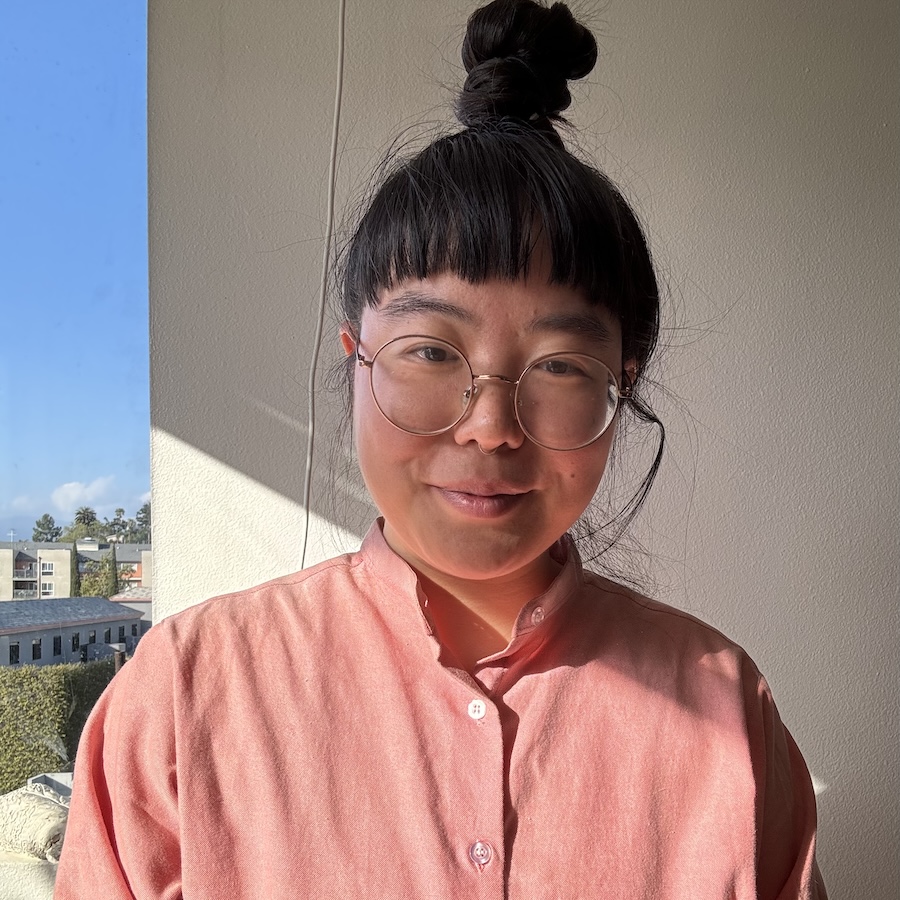
Kate Yeh Chiu
Architecture
Lecturer
Early-career and minoritized adjunct/ part-time faculty such as myself occupy the most precarious teaching positions at USC while contributing to the future-oriented learning enviorment that is incredibly important for our students. Better job security, transparency, and support of our professional growth would make this work more sustainable. For me, a union means a two-way conversation with the University – it can only improve working conditions and streangthen USC as a school, workplace, and community. Contract faculty are the majority of faculty at USC, and collective barganing will give us a voice!

Bob Scheer
Annenberg
Clinical Professor
As a retired member of the WGA and SAG I know that unionization is critical to artistic freedom in our town’s most successful industry. That’s even more evident in the long battle to support academic freedom at our university particularly for the nontenured faculty that does so much of the teaching without significant job security.
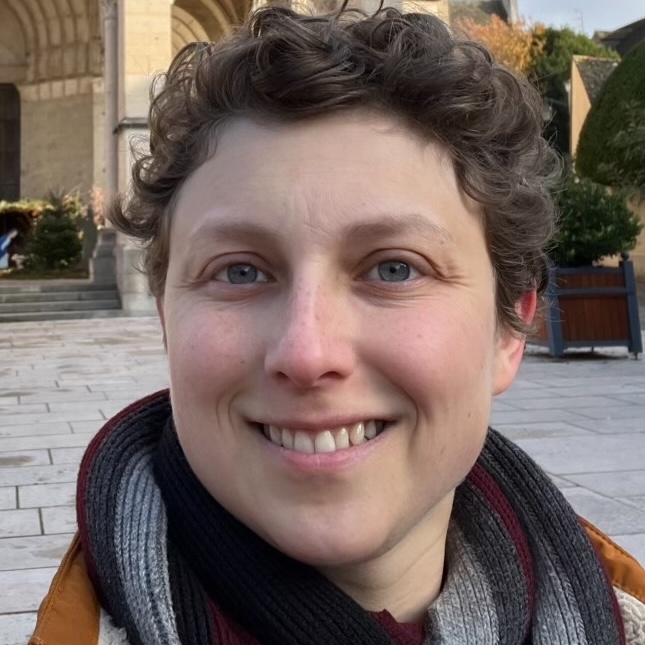
Kayla Orlinsky
Dornsife
Lecturer
I was one of the many graduate students who voted in support of USC’s graduate student union. I have already seen the benefits that collective bargaining has brought to our graduate students when it comes to pay, security, benefits, and transparency. Now that I am faculty at USC, I am again supporting our faculty’s right to unionize because we are a part of what makes USC so great and we also deserve transparency and a seat at the table through collective bargaining.
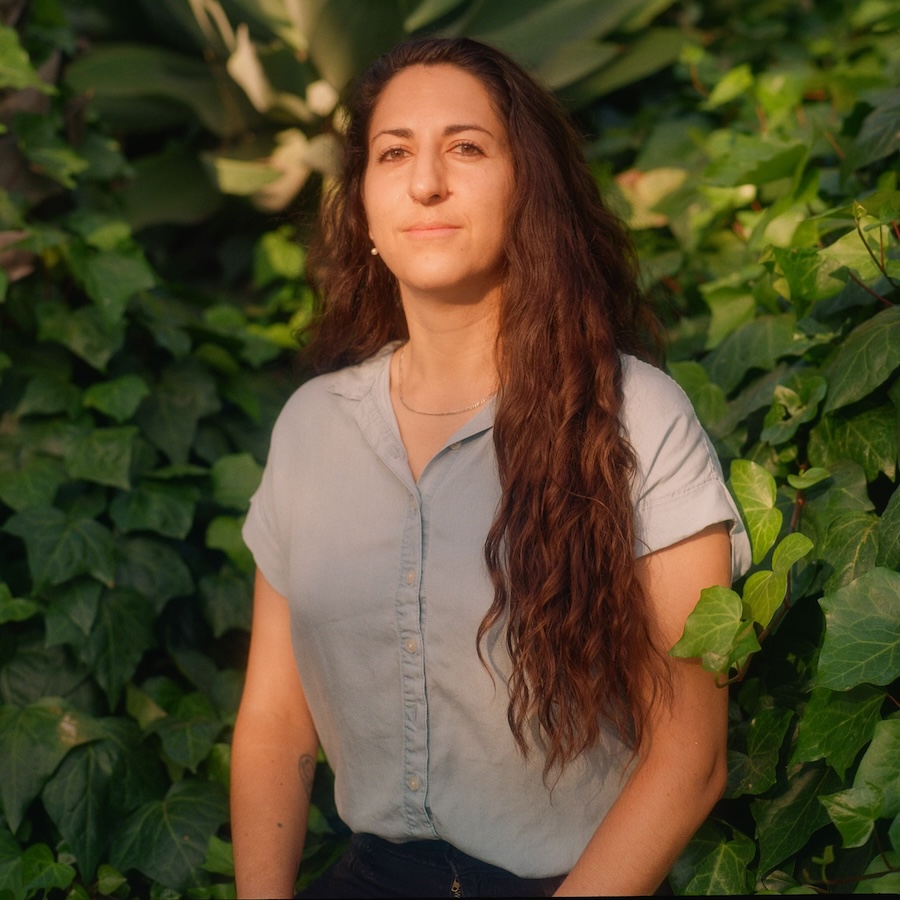
Ali Rachel Pearl
Dornsife
Lecturer
As a second year faculty member who just underwent merit review in my department for the first time, I remain unclear about how that process works and what consequences it has for me as a teacher and employee. While some faculty members have reported to me that they received merit review benefits in the form of salary increases, others have reported little to no benefits, despite receiving high merit scores. As a former USC grad student and postdoc who experienced lack of transparency in both of those positions, I had higher hopes for transparency in my faculty position, but I am finding that the processes for determining my salary, merit review, promotion, and continued employment are either very opaque or unequally applied across faculty. A union will allow faculty to see and shape the rules and expectations of our own employment.
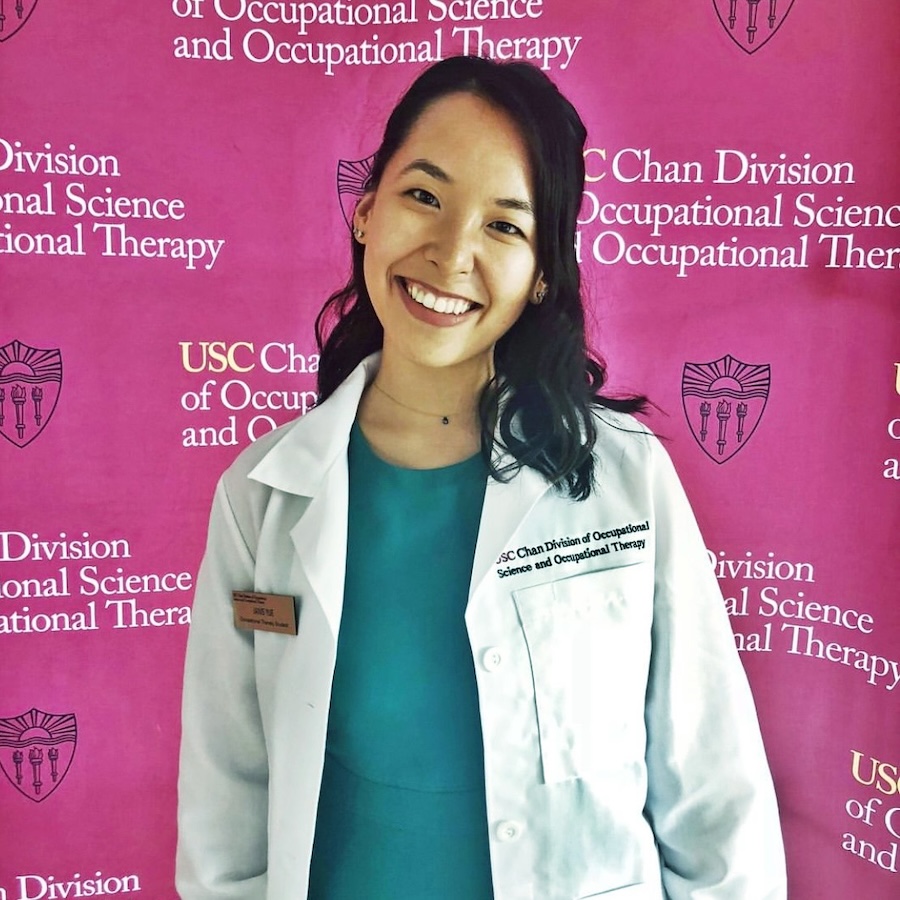
Janis Yue
Chan
Assistant Professor of Clinical Occupational Therapy
When I first stepped foot on USC’s campus when I was 18 years old, I didn’t know that I would be spending the next 12 years learning, living, and laboring at this institution. As a clinical faculty member, I’m constantly being made painfully aware of the tremendous imbalance of power between the administrators and the workers who actually perform the labor of seeing patients, teaching students, and generating research. I’ve had more experiences than I can count of feeling gaslit by administration after raising concerns about my own well-being and that of my occupational therapy colleagues and students. We need democratic decision-making and fair bargaining now! I support unionization because it’s the only thing that’s really given me hope in fighting for increased equity, accountability, and ultimately–worker self-determination.
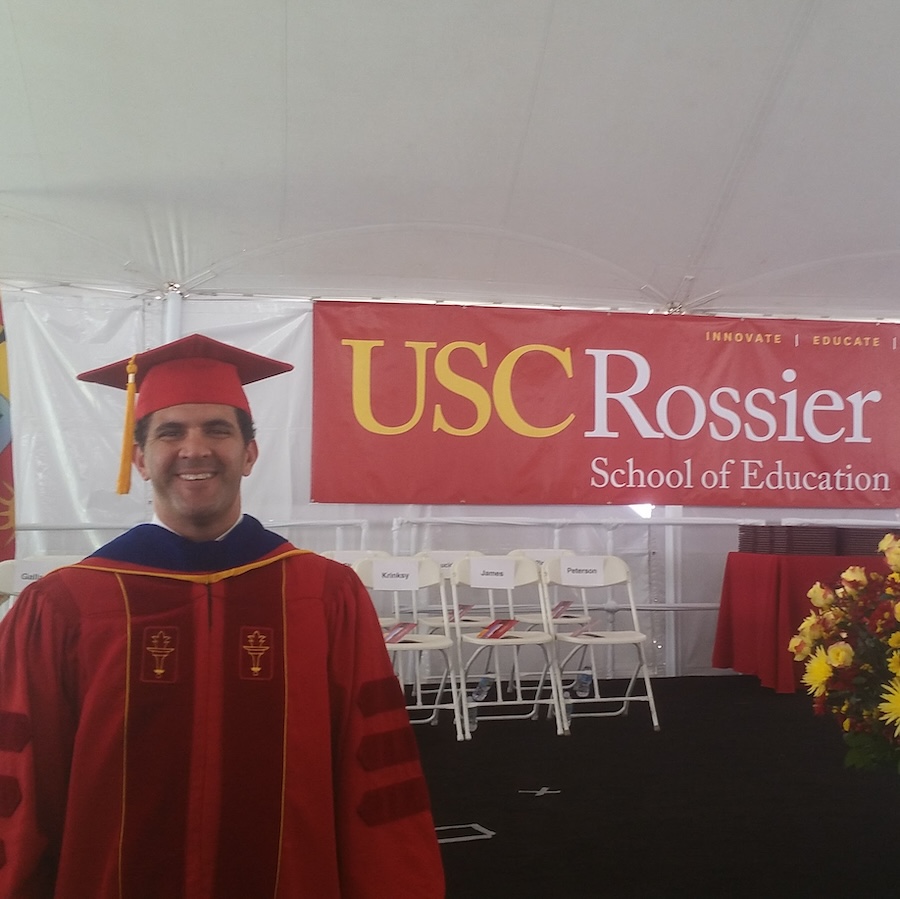
Omar Ezzeldine
Rossier
Adjunct Professor
I’ve served and represented part-time faculty on various committees for the majority of my 14 years with Rossier. I have loved working here and found great fulfillment at Rossier. What I’ve observed is that our part-time faculty are hard working and constitute a significant majority of the faculty who interact with our students. I’ve also observed that decision-making that directly impacts working conditions, hiring practices, and compensation for part-time faculty is the least impacted by the concerns and interests of part-time faculty. With collective bargaining comes a more representative impact on decision-making. By supporting this effort, we make our voices not only heard, but tangibly significant.

Emily Artiano
Dornsife
Associate Professor (Teaching)
During the pandemic, when USC suspended our retirement benefits without indicating when the benefit would return, whether it would be reimbursed when classes returned to in-person, or where that money would go instead, I saw how quickly and easily critical decisions could be made without any input from faculty. It became abundantly clear that we need a mechanism to enforce transparency and to advocate for ourselves collectively. While the suspension of retirement benefits affected all faculty and staff, it reinforced for me how little power RTPC faculty have when it comes to decisions that affect our material realities. A union can give us that power.

Corinne Hyde
Rossier
Professor of Clinical Education
I’ve spent nearly 15 years as a clinical faculty member at USC, and I’m a double alumna of the Rossier School. I love USC (Fight On!) and believe deeply in the work I do here as an educator. I believe in USC’s unifying values: integrity; excellence; diversity, equity, and inclusion; well-being; open communication; and accountability. This is why I cannot ignore the inequities I’ve experienced and witnessed here regarding pay, workload, benefits, and job security for RTPC faculty. RTPC faculty like me are critically important to the success of USC and the achievement of our students. I support unionization because when RTPC faculty across the institution unite, we have the power to make positive change that will ultimately benefit not only RTPC faculty, but also our students and USC as an institution.
Scott Uriu
Architecture
Adjunct Associate Professor
Having worked at USC for over 13 years I have rarely had myself or one of my colleagues receive a Part-Time contract more than 2 weeks before classes have begun in the fall, and these are mostly for 1 semester at a time. The constant “nickel and diming” of a 5.5-billion-dollar institution (from 2020 tax records) is outrageous and absurd. Even parking at USC has gone up almost 3 fold since I started and there was a concerted effort to eliminate healthcare for Part Timers in 2018. Having been on Faculty Council was also an eye opener; no matter what we bring to the administration, issues are met with either no response, or nonchalance. Teaching Architecture in a building without a working heating system for 7 weeks is ironic (and the tip of the iceberg with the building issues). A union is a way to have our concerns heard and addressed in a real manner.
Clare O'Connor
Annenberg
Lecturer
Like many of my colleagues, I’m discouraged and exhausted by the precarious academic job market. At USC, so much insight and inventiveness is lost as junior scholars hustle to secure their next short-term contract. Glossy PR and a celebrity culture obscure this overwork and undervaluing of a growing majority of teachers and researchers. By improving faculty working conditions and defending robust and accessible education, our union offers a potent corrective. As someone who has found a vocation in research and teaching, the new union boom in the post-secondary sector is profoundly heartening.

Michael Bodie
Cinematic Arts
Associate Professor
Since the start of my USC career, I have actively participated in the various “shared governance” systems currently in place on campus—from chairing the SCA faculty council, to co-chairing the Academic Senate’s RTPC Faculty Affairs Committee, and now as the SCA senator. No matter how thoughtfully researched, reasonably presented, or compellingly requested, I have borne witness to an almost total disregard for faculty needs by USC administration; especially with regards to equitable pay, security of employment, and fair workload profiles. Under the guise of “merit,” I’ve personally experienced salary compression and have had to hustle for additional work in order to simply keep up with the cost of living in Los Angeles—taking my focus away from our students, who deserve far better. This is not how we should be treated as the backbone of our institution, especially when this behavior by the administration directly conflicts with the University’s stated “unifying values” of integrity, diversity/equity/inclusion, and well-being. I am confident that working together in forming our union is the only way to achieve tangible change in a short enough time to be meaningful to all.

Taiyaba Husain
Dornsife
Associate Professor (of Teaching)
I believe we need community in order to thrive–and even survive. Forming a faculty union is the kind of community-building we need right now at USC because too many of us are left to feel alone in our financial and professional struggles. We are not alone, and our strength lies in recognizing that and in coming together to better understand the needs of our community so that we can fight to uphold our values and to improve our quality of life.

Lia Soorenian
Price School of Public Policy
Adjunct Instructor
As an adjunct professor who has taught at both Price and Dornsife, I was disappointed when I was told that I couldn’t teach at both schools simultaneously. Because Price policy does not allow adjuncts to teach more than one class, I was forced to choose between schools–reducing my hours and cutting my benefits. With more flexibility around contracts, there would be a concrete pathway to becoming a part-time or full-time faculty member. I support forming a union to amplify our collective grievances, to demand fair wages, to establish job security, and to build a structure towards career advancement.
Pete Anthony
Screen Scoring
Adjunct Instructor
For over two decades, I have been advocating to get healthcare benefits for fellow musicians, who often struggle with uncertain and precarious access to health insurance for themselves and their families. Many adjunct and part-time faculty at Thornton rely on the university for their health insurance. It is fundamentally unfair to leave this critical benefit up to the arbitrary and unilateral control of the administration. I know colleagues who have lost eligibility for benefits with no notice and no say in the matter. I support forming a union so this cornerstone of a stable middle class life is something faculty can secure in a legally binding union contract.
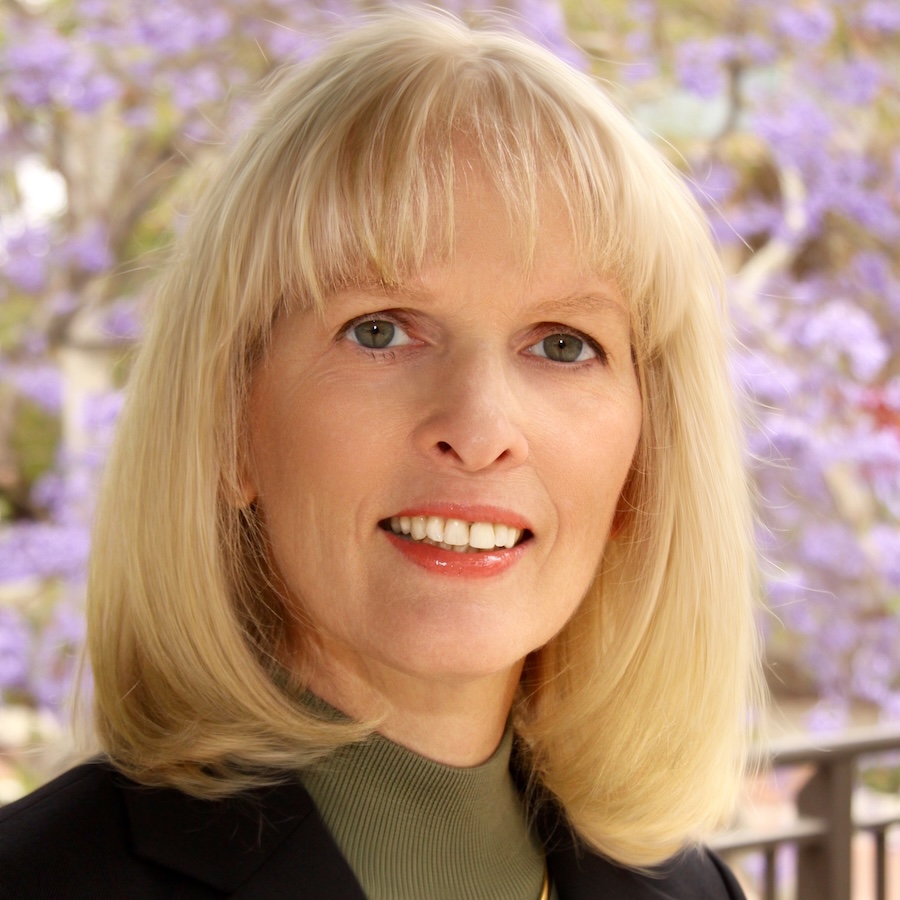
Colleen Keough
Annenberg
Clinical Professor
I’ve been at USC for a long time and have seen many changes. I am supporting unionization because RTCP faculty need to have a collective voice to address pay inequities and working conditions. Over the decades too many things promoted as new benefits for RTCP faculty turned out to be unavailable or less than presented. Here is one example: RTCP faculty are supposed to be eligible for sabbaticals. However, multiple School Directors have told me that really is not possible because RTCP sabbaticals must be paid for by the School (unlike tenured faculty sabbaticals which are funded from a Central Administration budget) and the School doesn’t have the budget to cover the costs. This is disappointing and puts lower-level administrators in the position of denying the request. A genuine University benefit would be transparent and available.

Wes Jones
Architecture
Professor of Practice
When people learn that I teach at USC they assume I’m at the top of the academic food chain, but the inequitable distribution of resources, course loads and compensation across the different schools here means that in my case they are wildly mistaken. While most of us do less well in these terms than our colleagues at the public school across town, I teach in one of the last two unnamed schools on campus, where appropriate support is particularly scarce. And the faculty are not the only losers in this set up. Our future USC alumni are deeply aware that these inequities imply they lack standing as well within the university community. It doesn’t need to be like this. Unionization has historically been seen as pitting the workers against the bosses, but a university-wide faculty union can instead be shown to support a more even-handed and effective functioning of an eclectic educational institution like USC. Collective bargaining overcomes the administration’s traditionally disproportionate power which is a divisive impediment to coordinated effort, preventing the faculty and administration from working together like equal partners with comparable responsibility for achieving the non-profit university’s goals.

Sanjay Madhav
Viterbi
Associate Professor of Information Technology Practice
Things are good for me right now. I teach classes I enjoy, have some great students, and have the flexibility to schedule courses at convenient times. However, as we’ve seen with decisions such as cutting retirement benefits or increasing our health care contributions without any cost-of-living increases, the current structure at USC means that any of our terms of employment can change at the administration’s whim. I support forming a union because it’s the only way to protect what we like and allow us to collectively bargain with the university about what we want to improve.

Laura Castañeda
Annenberg
Professor of Professional Practice
USC, and what was then simply referred to as “the J-School” during its pre-Annenberg days, changed my life. As a first-gen student, the opportunities I received from the best in the business as well as several internships with top news organizations helped me launch a fruitful career. Since my return to Annenberg 24 years ago, I’ve served in the school’s administration and faculty council and the university’s faculty senate. I’ve also seen how Annenberg and its leadership have led the way in salary transparency and school climate improvements. But we can’t stop there. The RTPC faculty do most of the teaching service and even some research. As such, the astounding salary differential between RTPC and the tenured and tenure-track faculty must be narrowed. Real tenure for teaching should be implemented, as should sabbaticals. Adjunct faculty salaries should be raised. Collective bargaining will help us attain all that and more.

Adam Lebowitz-Lockard
Dramatic Arts
Adjunct Lecturer
As an alumnus of USC, I take great pride and care in teaching and training the next generation of our students. Unfortunately, as a part-time faculty member, I have been continually held in the dark when it comes to issues such as wages, job security, and healthcare. This past year, it was left up to the RTPC faculty to share information on differences between Adjunct and Part-Time designation and the differences in pay that between them, because our higher ups refused to share information on this issue with us. I want a union because I am in favor of greater transparency, communication, and collective bargaining around these matters, and so that I can show up for my students with greater support and protection from this university.
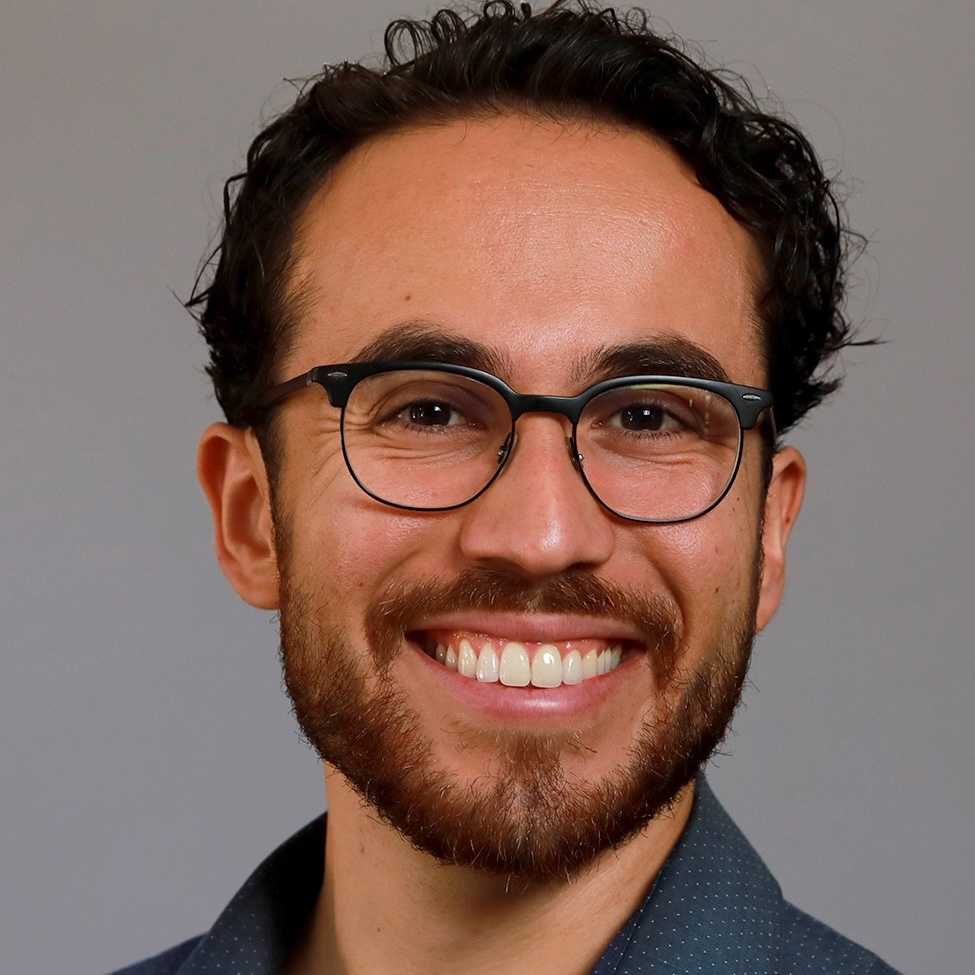
Joshua Carlos
Dornsife
Lecturer
I support the formation of a union to help build a strong collective voice among all faculty to ensure better pay transparency and appropriate raises to keep up with costs of living. After attending a meeting with the University to discuss pay, they provided a graphic that showed how raises are not keeping up with costs of living. When asked, the response was “we’re working on that”. Additionally, I believe forming a union will provide more opportunities for faculty members to be given greater job security with multi-year appointments. When first starting as a part-time faculty, I was receiving semester-long appointments and sometimes would not receive my appointment letter until a week or two before the start of the semester. Now as full-time, I’m up to yearly appointments.
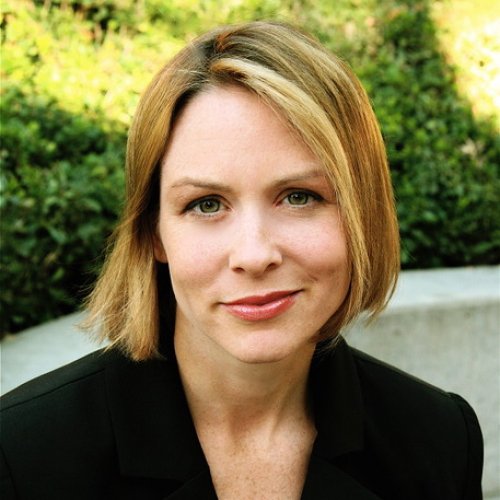
Alison Trope
Annenberg
Clinical Professor
I’ve been at USC for over 30 years, first as a graduate student, then an adjunct and then moving up the full-time RTPC faculty ladder. I feel lucky that I was able to carve this path for myself, but I’m also keenly aware that my situation is not the norm. I’m invested in this union not only to better my own situation but to support the larger collective of my RTPC, adjunct and part-time peers in having security, equity and being valued in their working conditions and paths toward growth at USC. I’ve served on the Academic Senate and the Faculty Council in my school. Yet in my experience, I’ve felt frustrated by USC’s model of shared governance and its constraints on making change. Like many private universities, USC’s full-time, part-time and adjunct RTPC pool make up more than 70% of the faculty. As a collective, we deserve more and better. And for me, that starts with a union and a commitment to transparency and real change.

Ryan McWilliams
Thorton
Lecturer
I support a union because it’s the best way to ensure that RTPC faculty have reliable access to healthcare. Consistent health insurance is imperative for fostering a robust and stable teaching environment, one in which the faculty teaching core classes—those required for so many students in Thornton—can feel properly supported and respected. This is how we can guarantee that our students continue to get the very best.

Edgar Landa
Dramatic Arts
Lecturer
I want a union because together we are stronger! As a member of three artist unions, I understand the real power that collective bargaining offers and the confidence I have knowing my union is looking out for my interests and the interests of my fellow performers and directors. I want a union at USC so that we have transparent, fair and equitable compensation and pay increases. I want a union so that I have a community of peers behind me. I want a union so we can advocate for ourselves with dignity and strength.