
Bargaining Committee Election: Candidate Statements
Jurisdiction 1 (Dornsife, Annenberg, Viterbi)
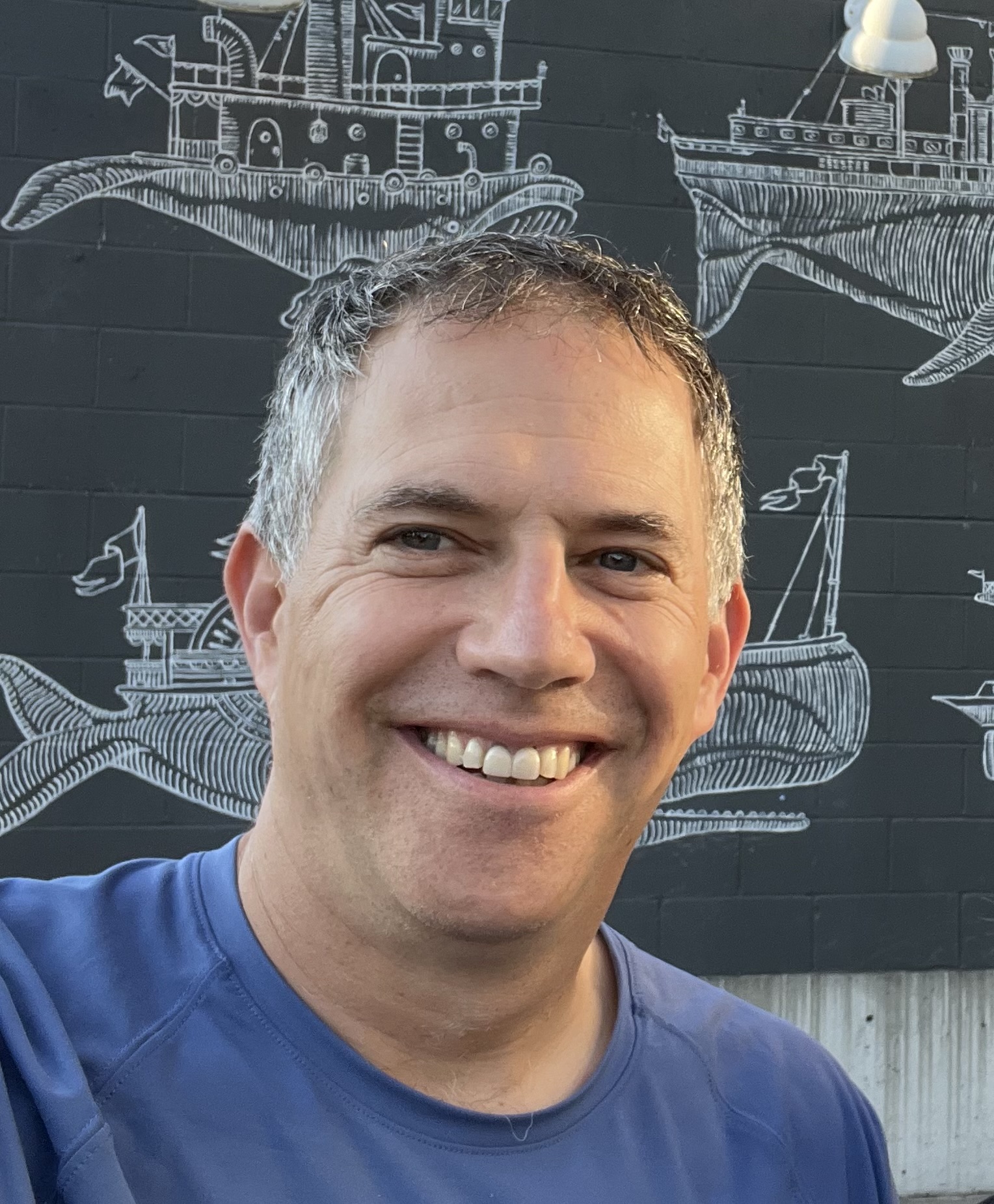
DAN LAINER-VOS
Dornsife – Sociology. Full time Assistant Professor of Teaching
I’ve been part of the ‘Trojan Family’ since 2008. I love teaching and I love my colleagues, but I am fed up with the poor pay and precarious working conditions we face. I recently checked and realized that, adjusted for inflation, I earn less today than when I started teaching. This is not right.
I am also appalled by USC’s attempt to deny our basic rights by claiming that we are all managers simply because many of us, myself included, serve on university committees. Until a few weeks ago, I served on the GE Committee because I care about the program—and because I hoped that doing so might protect me from abrupt termination. That USC would use this volunteer service to deny my right to unionize is enraging. We need stronger workplace protections.
If chosen to serve on the bargaining committee, I am committed to representing every UF Union member and understanding the specific concerns of each group within our union. My priorities will be those identified by members through the bargaining survey, and those only. I will keep the union focused on its core mission: advancing our shared workplace interests.
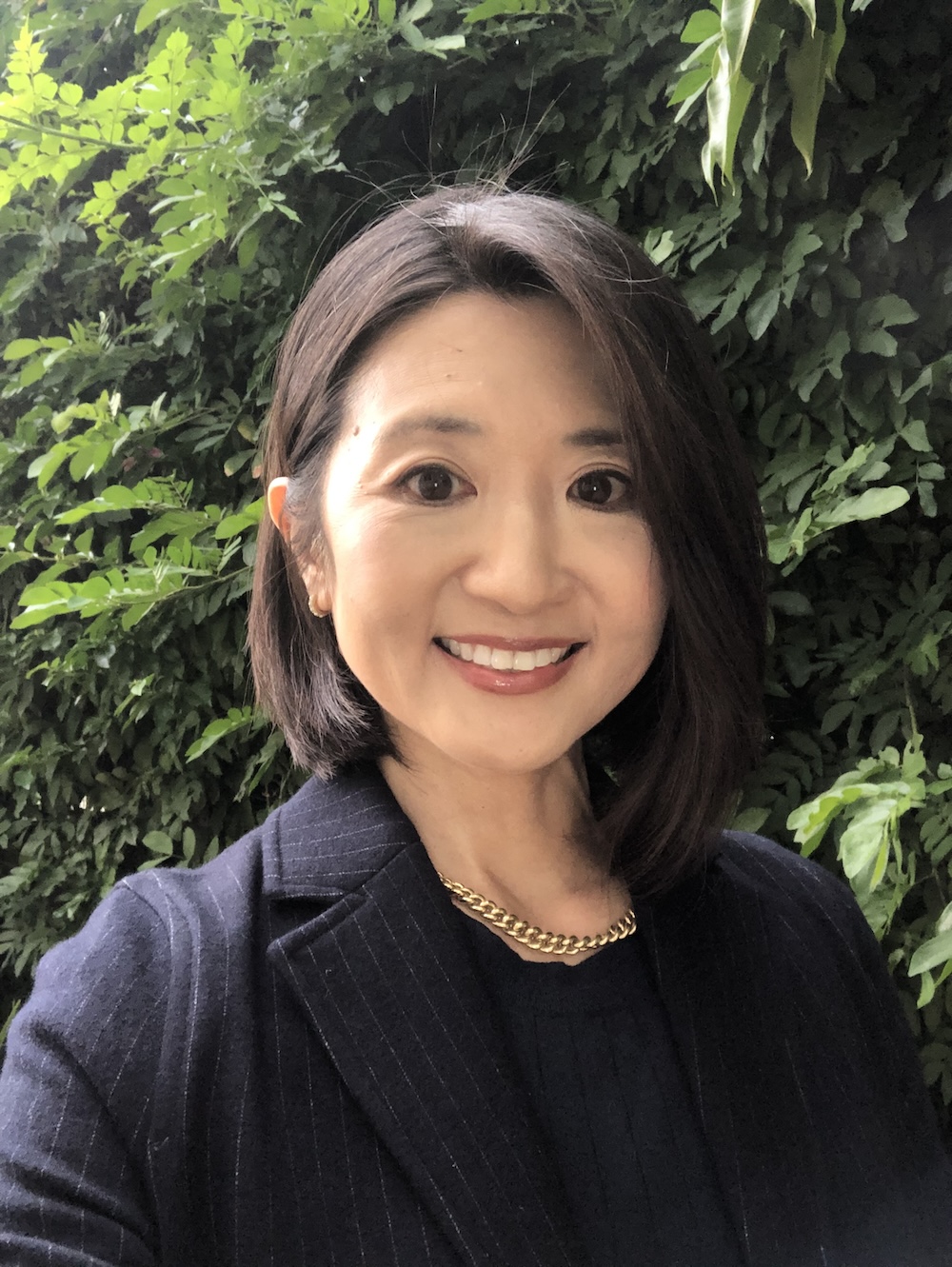
HELEN CHOI
Viterbi – Engineering in Society, Full-time Associate Professor of Technical Communication Practice
I’ve been a full time RTPC faculty member at USC Viterbi School of Engineering since 2018. I’ve been lucky to have been involved with United Faculty since our 2024 card signing campaign, and I’m an active member of the Viterbi Organizing Committee.
I believe that my duty as a bargaining committee member is not to represent a particular school, work profile, or rank, but to fight for everyone, and if elected, I commit to upholding this duty to the best of my ability.
No matter who you vote for, I urge you to vote and get more involved with United Faculty! Join the Contract Action Team at your school and talk to your colleagues about getting President Kim and the rest of USC’s leadership to do the right thing and respect our vote!
With all of us working together, we can and will get USC to the bargaining table. I hope to see you at future union meetings and events! Thank you!
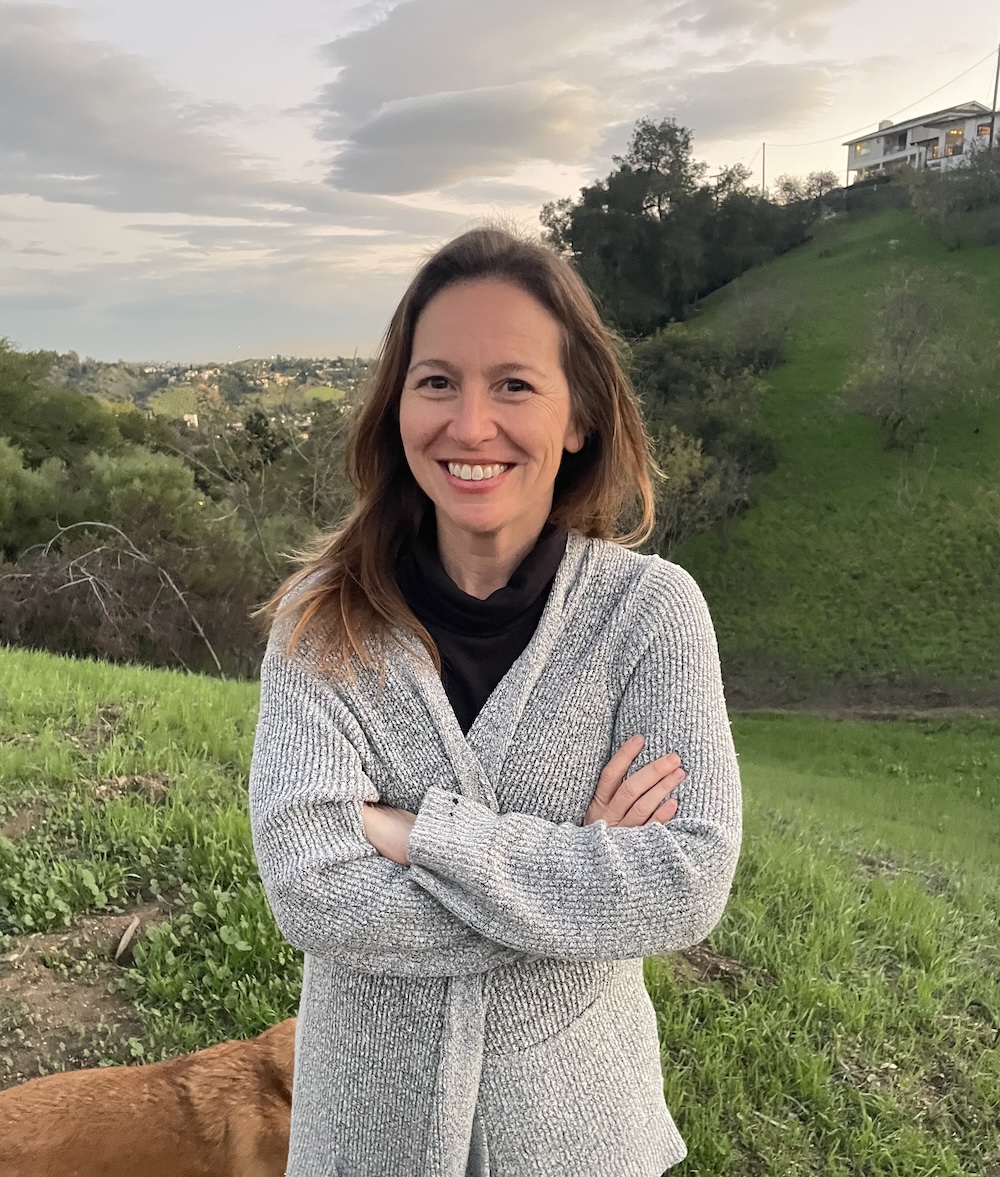
KATE LEVIN
Dornsife – Writing, Full-time Associate Professor
I began teaching at USC as a part-time Writing faculty member in 2011, and for most of my fifteen years here, I’ve been working with colleagues to build a faculty union. I have many reasons for that—among them, I believe in workplace democracy; I believe that a strong labor movement is necessary for a just and equitable society—but ultimately, for me, it comes down to dignity. I think that when you have dignity at work, you don’t walk around with a huge grin musing to yourself, “I have dignity at work!” Rather, I think you experience it mainly by certain absences: an absence of worry, for example, that your health benefits or tuition assistance benefits might be cut at any moment. An absence of uncertainty, for example, about whether you’re getting a raise next year. An absence of powerlessness, for example, if you experience harassment on the job. Dignity at work means freedom from these experiences that many of us have grown used to without a union contract, simply because we’ve been told by our employer that we have no other choice, that we should be grateful for what we have. But we do have a choice—in fact, we made it in June of 2026, voting overwhelmingly to unionize. And I know our bargaining team will carry the same energy, commitment, and unity that won our election into negotiating our first contract.
I’d like to be part of the bargaining team because I think my years of organizing—engaging with faculty across schools, disciplines, and ranks, in hundreds of class visits, meetings, phone calls, rallies, and town halls—can be helpful in this next stage of our campaign. Simply put, over my many years of organizing, I’ve learned a lot about how to listen to others’ concerns, and how to translate those concerns into meaningful action that helps advance our campaign. Above all, I have an unwavering belief that we will win—because I’ve already seen our collective power push through obstacle after obstacle. I’m excited by the prospect of working with other bargaining team members towards our common goal: a union contract that allows all RTPC faculty at USC to work with security and dignity.

LAUREN LEE WHITE
Annenberg – Journalism, Part-time Lecturer
I am running for the UF-UAW Bargaining Committee because I want to help build a contract that recognizes and protects the full range of RTPC faculty who make USC work.
As a part-time faculty member in Annenberg’s journalism department, one of my priorities is making sure that the concerns of part-time and adjunct faculty are not sidelined in our negotiations. We have particular concerns around compensation, job security, access to resources and benefits, workload, and the uncertainty that comes with contingent employment. I will work to make sure these issues are heard and addressed at the bargaining table.
I also believe that a strong contract has to come from listening to all our members: Our unit spans schools, disciplines, and different kinds of appointments, and we need a process that takes those differences seriously while building toward shared goals. I would bring to the bargaining committee a commitment to listening, organizing, and making sure the experiences of our members shape what we fight for.
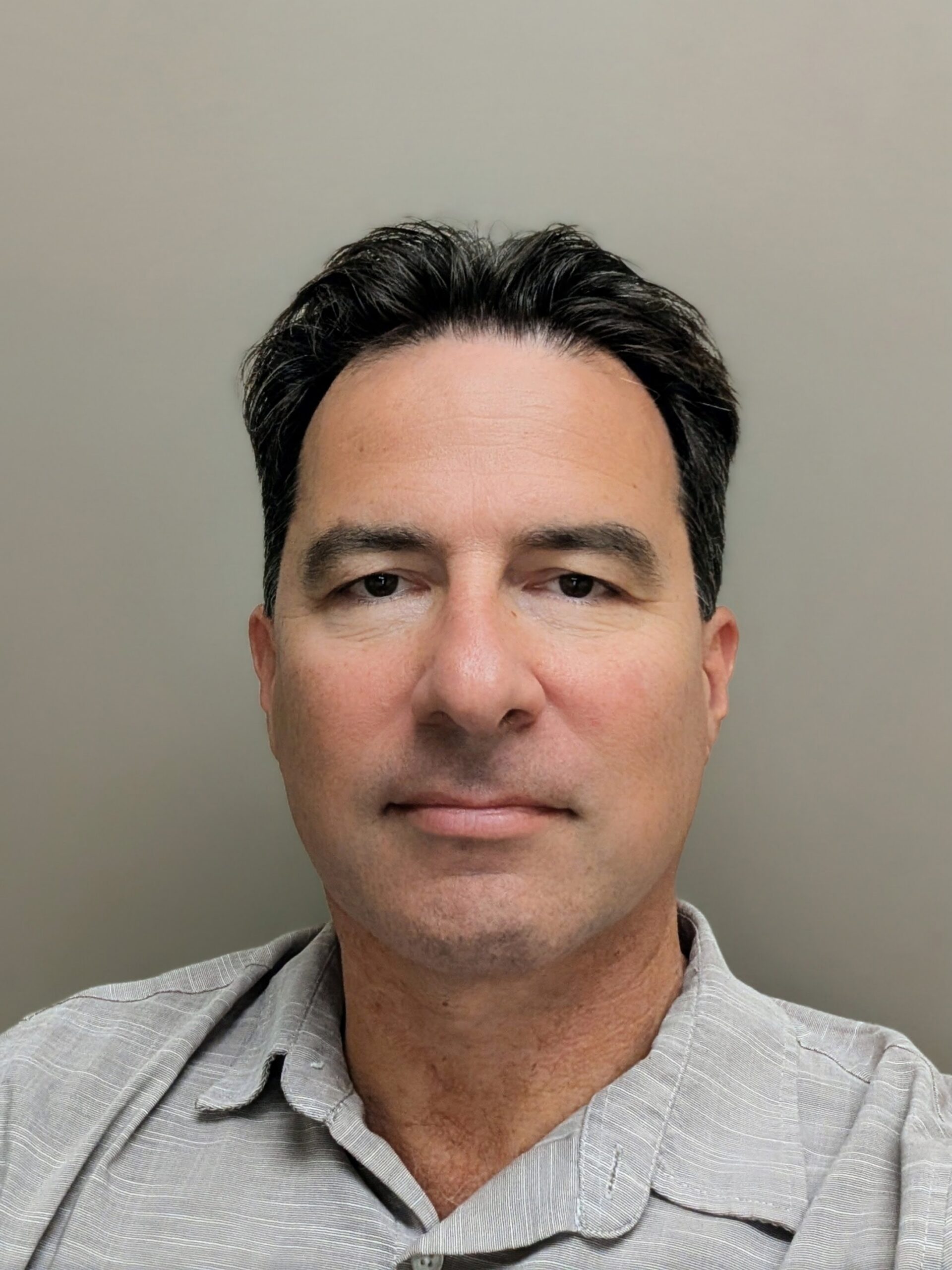
LODOVICO PIZZATI
Dornsife – Economics, Full-time Associate Professor
I am an Associate Professor (Teaching) in the Economics Department in Dornsife. I began teaching at USC in 2014, and these have been twelve wonderful years. Students are smart and hardworking, making you want to give your best. Staff are supportive and kind, making your job easier. Overall, aside from some turbulence, we have generous benefits and decent job stability. There are many positives about this university, and during a unionization attempt about a decade ago, I did not really have any personal concerns to support it.
With time, my view on the benefits of having a union has obviously changed. As a past member of the Dornsife Faculty Council and the Academic Senate, I experienced firsthand the futile attempts to obtain changes in issues like salary transparency. So-called “shared governance” has no negotiating power. We cannot rely on toothless means to voice our opinion when some of our benefits are unilaterally being removed. We need the bite of real negotiating power, and this can only be achieved through a union.
For the past two years I have been involved, like many of you, in this wonderful journey of organizing. We are in the final stage of selecting a bargaining committee, and I believe I can make a valuable contribution. As an economics professor regularly teaching statistics, I am looking forward to contributing my background in labor economics and data analysis to obtain a fair salary structure.
As a common denominator, we can all agree on obtaining a substantial salary increase and protecting our benefits. I also believe that we should prioritize the concerns of colleagues who are being deprived of the benefits of full-time faculty or whose wages are not at par with the Los Angeles cost of living.
Finally, as a member of the bargaining committee, I want to make sure that minor issues are not forgotten. For example, teaching overload compensation is not uniform across different USC schools; in some departments, overload teaching is paid 30% less than base pay. There are many more issues that we can resolve with union bargaining, all the way to wider parking spots so that we do not have to squeeze out of our car door wiping dust off vehicles.
From major salary restructuring to wider parking spaces, let’s build a contract that truly works for all of us.
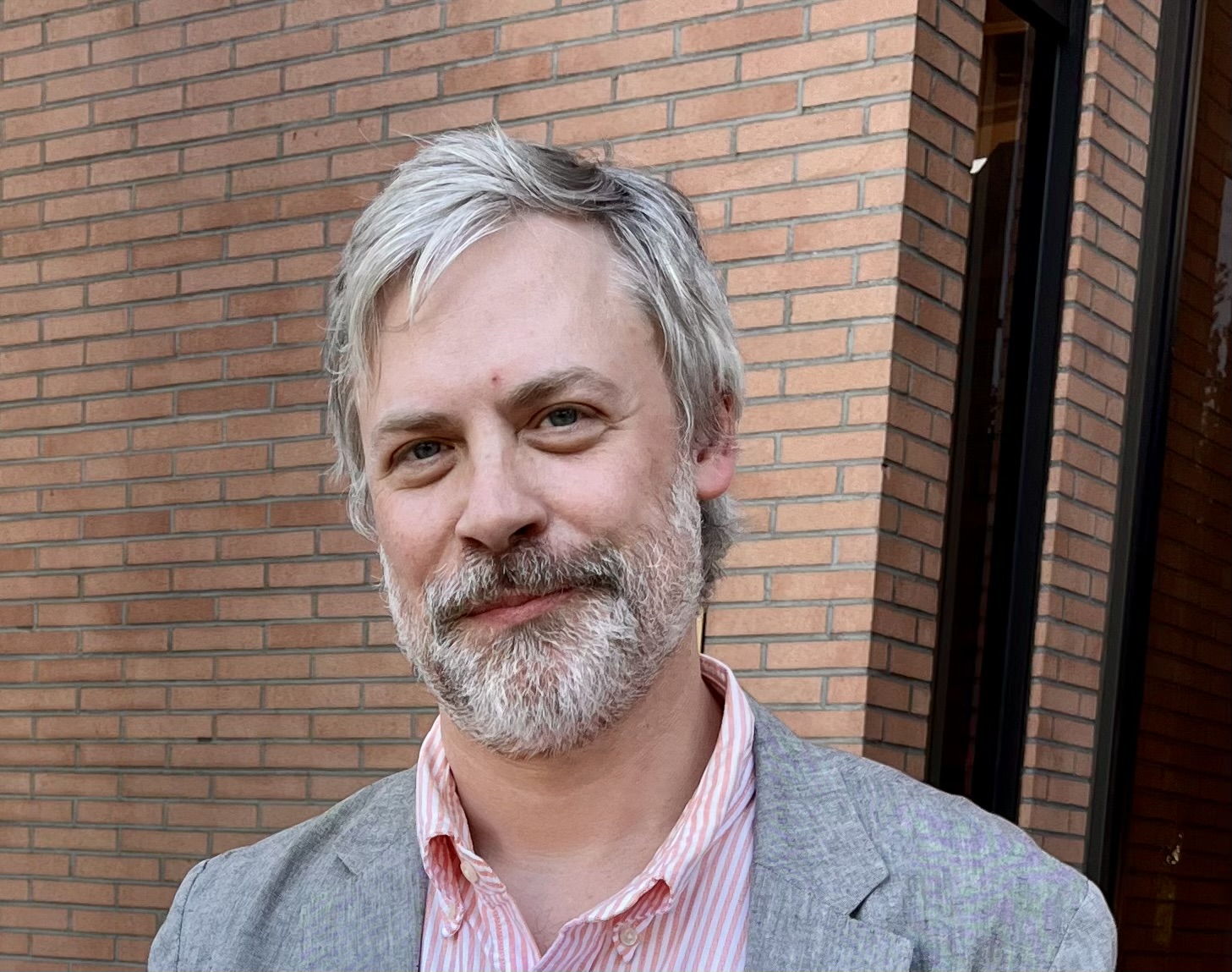
RYAN BOYD
Dornsife – Writing, Full-time Associate Professor
I am an Associate Professor (Teaching) in the Dornsife Writing Program, where I have worked for 12 years, first as a part-time lecturer, then as full-time faculty. I’m running for the Bargaining Committee because I want to leverage my extensive organizing experience to help improve the working conditions of my colleagues and strengthen higher education as a whole sector. I’ve been organizing with United Faculty since before we were United Faculty: ever since a group of us were sitting in a colleague’s backyard more than 4 years ago, talking about how we needed a union. In the time since I’ve been involved with every aspect of the campaign, from running phone banks to facilitating OCs to organizing town halls to writing comms to planning rallies to having conversations with hundreds of fellow faculty. I was organizing before the card campaign, and when we dropped cards, and when we filed for recognition, and while we waited 15 months for an NLRB decision, and throughout our election period, and now as we fight to get to bargaining. Having been at USC for a long time, I am deeply knowledgeable about our institution and its academic workforce as well as its position in the wider US higher-ed organizing landscape, and I am devoted to improving the working lives of my colleagues. As a longtime organizer and leader, I ask for your vote for the Bargaining Committee so we can finish this job.
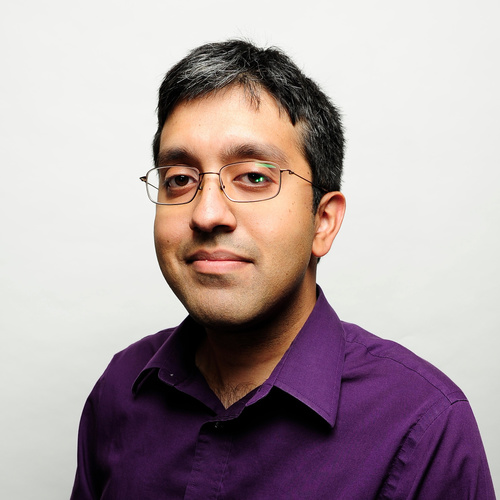
SANJAY MADHAV
Viterbi – Technology and Applied Computing, Full-time Professor of Practice
I started teaching at USC in 2008, first as an adjunct, then part-time, and became a full-time faculty member in 2012. I also have two degrees from USC. I’ve been here so long that I’ve seen time and time again how important NTT faculty are to the university. We drive USC’s academic, clinical, and research missions, and I think it’s about time for us to be on equal footing with the central administration.
That’s why I started organizing for our union, United Faculty-UAW, in April of 2024. Since then, I’ve had hundreds of conversations with faculty across the university, and it’s been both a pleasure to meet so many colleagues and illuminating to learn about the real concerns each of us have. I’ve been heavily involved in many of our actions both within my school in Viterbi and across the campaign, including in the authorization card drive, respect the vote letter campaign, getting out the vote for our election, organizing and speaking at rallies, and being a faculty voice in interviews with the media. As a member of the bargaining committee, I would be committed to fighting for the strong contract that we deserve.
Jurisdiction 2 (Bovard, Dworak-Peck, Iovine and Young, Price, Rossier)
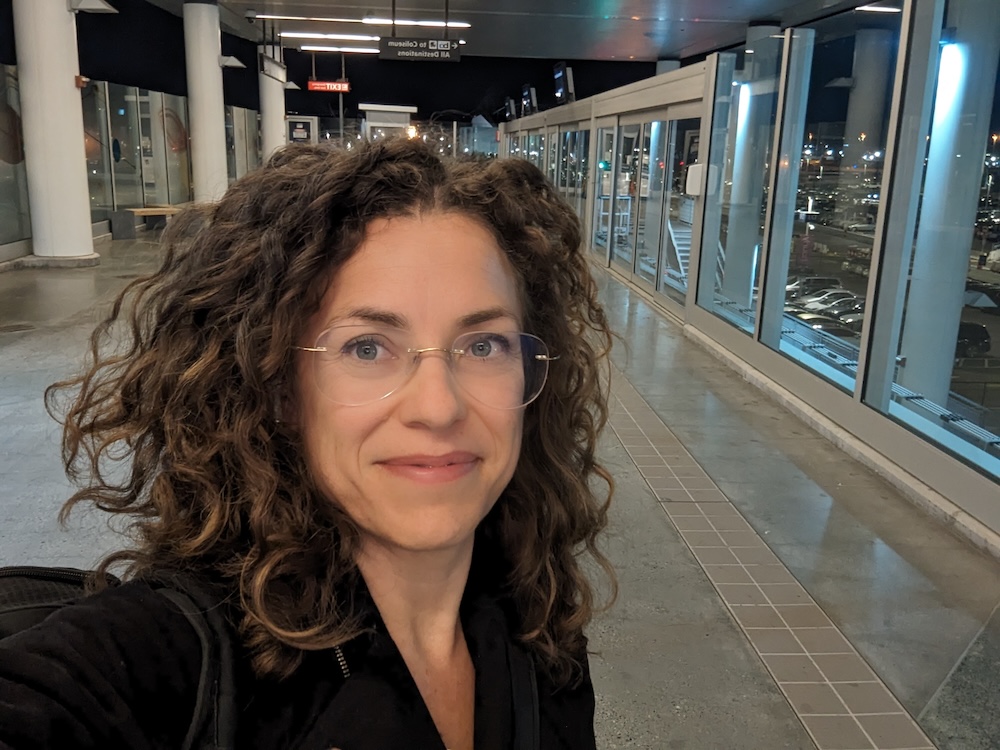
JENIFER CRAWFORD
Rossier – Teacher Education, Full-time Professor of Clinical Education
I’m running for the UF-UAW Bargaining Committee because our working conditions should not depend on individual appeals to the boss. I want to help negotiate a first contract that gives us enforceable rights and a real say in the decisions that shape our work.
My mom and my aunt were union stewards and educators. For much of my life, I supported other people’s fights to organize and bargain with their employers. I stood on their picket lines. After years at USC, I recognized that this was my fight, too. I have taught here since 2009, and I am proud to have worked alongside colleagues to build our union. Now I want to help turn that collective power into a contract.
I will fight for transparent pay, meaningful cost-of-living adjustments, free, guaranteed healthcare, childcare support, and equitable paid family and medical leave. As a parent of three, I know that care responsibilities do not wait for a convenient point in the academic calendar. I also want multiyear and continuing appointments for part-time and full-time faculty, clear reappointment procedures, and protections against arbitrary dismissal. We should not have to rely on individual promises for our livelihoods.
At Rossier, I teach in teacher preparation and school leadership programs and co-chair the Rossier Democracy Project. I also co-chaired the Academic Senate Faculty Environment and Employment Committee. My work in democratic education, shared governance, and faculty organizing informs how I would approach bargaining: listen across differences, examine evidence, and ask whose concerns are missing. Shared governance matters, but it is not a substitute for an enforceable contract.
I do not assume that my experience as a clinical professor at Rossier captures the concerns of colleagues across schools, appointment types, and job responsibilities. Part-time and adjunct faculty, researchers, and librarians need more than a general promise of inclusion. I would seek their input and that of the Contract Action Teams, use member surveys and conversations to develop proposals, and explain how that feedback shaped our positions.
Bargaining will involve difficult choices. I would work closely with the Organizing Committee, keep members informed about progress and tradeoffs, and stay accountable to the bargaining goals we ratify together. I am prepared to commit the time this work requires and to learn from experienced UAW negotiators. I cannot promise every outcome. I can promise to prepare, listen, and fight for the strongest possible contract for all of us.
A more just and democratic workplace improves our working conditions and our students’ learning conditions and patients’ care. I’m asking for your vote because we are stronger together, not when each of us has to make our case alone.
OMAR EZZELDINE
Rossier – Part-time/Adjunct Professor
I look forward to serving on the committee to represent the interests and voices of part time faculty who teach for Rossier. Part time faculty represent the largest and most diverse group of instructors in Rossier and at USC in general. Having served in part time faculty leadership roles since 2010, I have a long history of experience that has helped me develop this perspective.
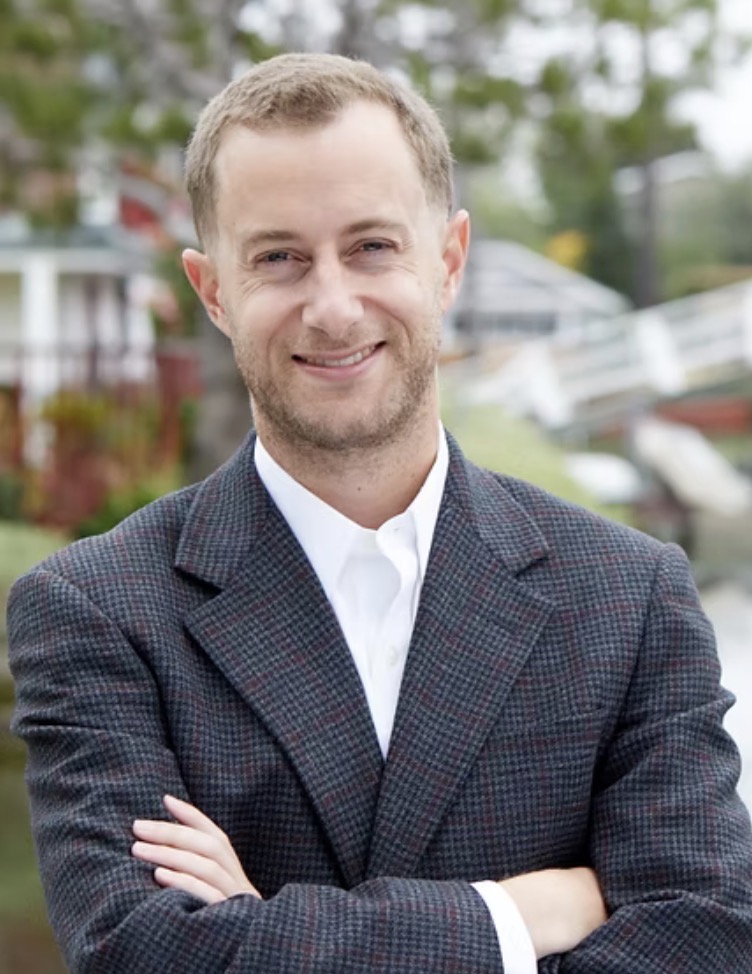
PETER ENZMINGER
Price – Urban Planning, Adjunct Instructor
I would like to accept nomination for the UF-UAW Bargaining Committee. My name is Peter Enzminger, and I teach in the Urban Planning Department of the Price School of Public Policy. My title is Adjunct Instructor.
I’d be honored to serve on the bargaining committee to democratically represent the needs and expectations of adjunct faculty across USC. I have been teaching as an Adjunct Instructor at Price since Fall of 2020 and active talking to our colleagues about creating a union since Spring of 2024. Adjunct faculty everywhere, particularly at the Price School, form an essential part of the academic program at USC. We deserve vigorous representation that I will aspire to provide.
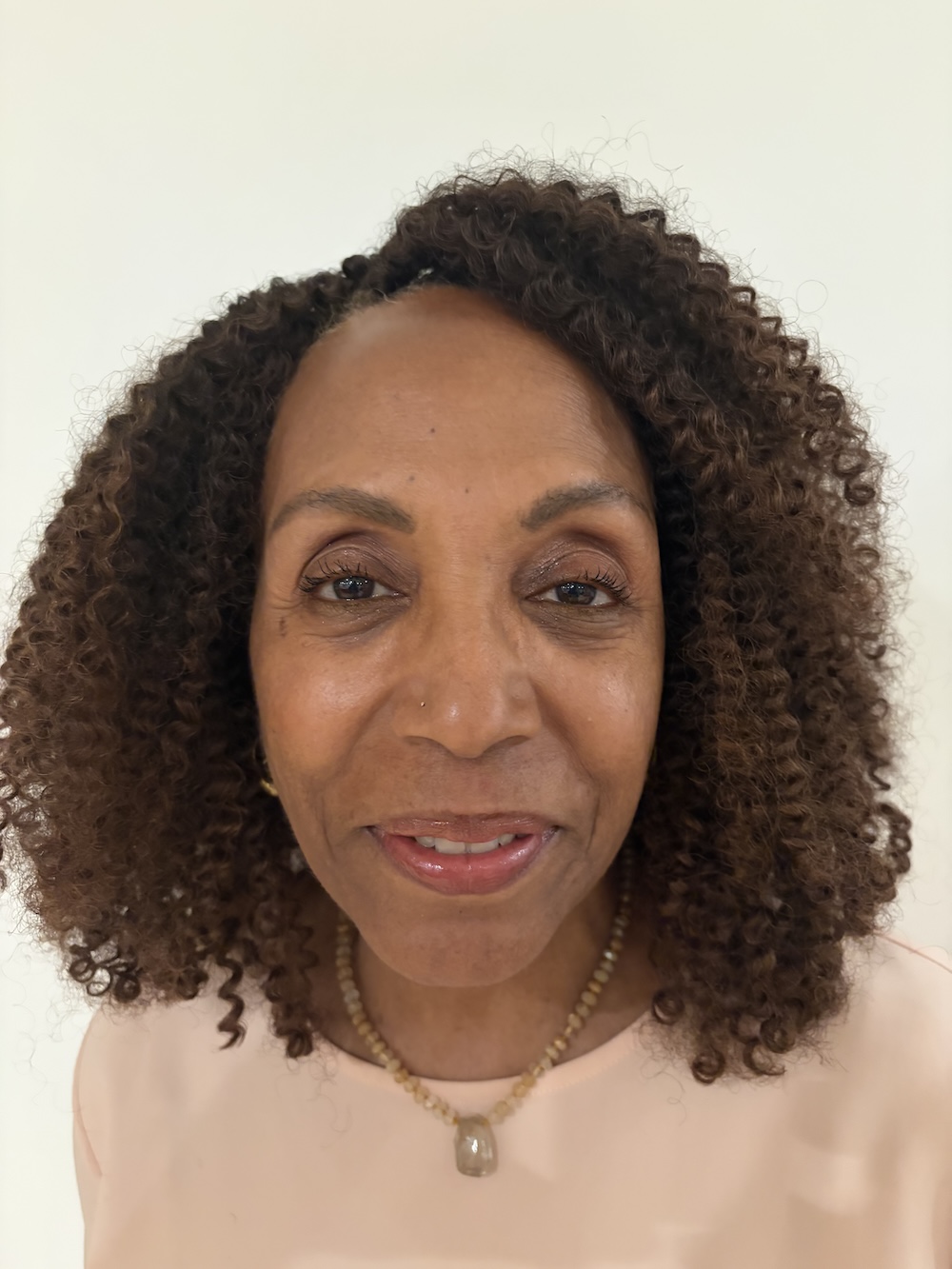
RENEE SMITH-MADDOX
Dworak-Peck – Full-time Teaching Professor
My name is Renée Smith-Maddox, and I am asking for your vote to represent the Research, Teaching, Practice and Clinical (RTPC) full-time and adjunct faculty on the United Faculty-UAW (UF-UAW) bargaining committee. I have taught in the Suzanne Dworak-Peck School of Social Work for 16 years and served as a union organizer for the past two years.
In my role as a social work educator, I teach graduate courses that offer an innovative collaborative-problem solving approach to address social issues. In this capacity, I also serve as a mentor and advisor to the next generation of social impact designers by teaching doctoral students how to apply design thinking and design justice principles to their capstone projects.
During my time at USC, I have held various leadership roles at the university and school levels, giving me a clear understanding of the principles and practices of shared governance. For seven years, I served on several Academic Senate committees, including as co-chair of the Faculty Environment and Employment Committee (2024-26) and as a member of the Joint Academic Senate/Provost Committee, Task Force on Annual/Merit Review (2021-23).
At the school level, I have held leadership roles on faculty and curriculum councils, teaching faculty search committees, promotion and annual performance reviews, admissions, and departmental administration, including serving as the vice chair of the Social Change and Innovation Department and Associate Dean for Diversity, Equity, and Inclusion.
Throughout our union organizing campaign, I helped organize school-wide listening and information sessions and actively participated in organizing activities including the collective bargaining survey workgroup, town halls, phonebanks, and rallies, as well as planning meetings with USC administrators and elected officials, and testifying at the regional National Labor Relations Board (NLRB) hearing where USC appealed our right to unionize and lost. In addition, participating in the UF-UAW Organizing and Communication Committees keeps me informed on all aspects of our coordinated effort.
I know firsthand the pressures of heavy workloads, the rising costs of living, and adjunct precarity. I will advocate for transparent promotion tracks, meaningful cost-of-living adjustments, workload caps and other priorities as they emerge. Bargaining is won through our collective action, speaking the truth to the USC administration, and not backing down under pressure. I pledge to keep members informed, listen to your concerns, and support our collective bargaining team with ongoing mobilization efforts for RTPC faculty to participate in our union.
On our own, it’s easy to be overlooked. But as a certified union, our voices are stronger, louder, and impossible to ignore. To give our community of interest a strong, vocal UF-UAW organizer at the bargaining table—vote for me.
In solidarity,
Renée Smith-Maddox
Jurisdiction 3 (Gould, Marshall)
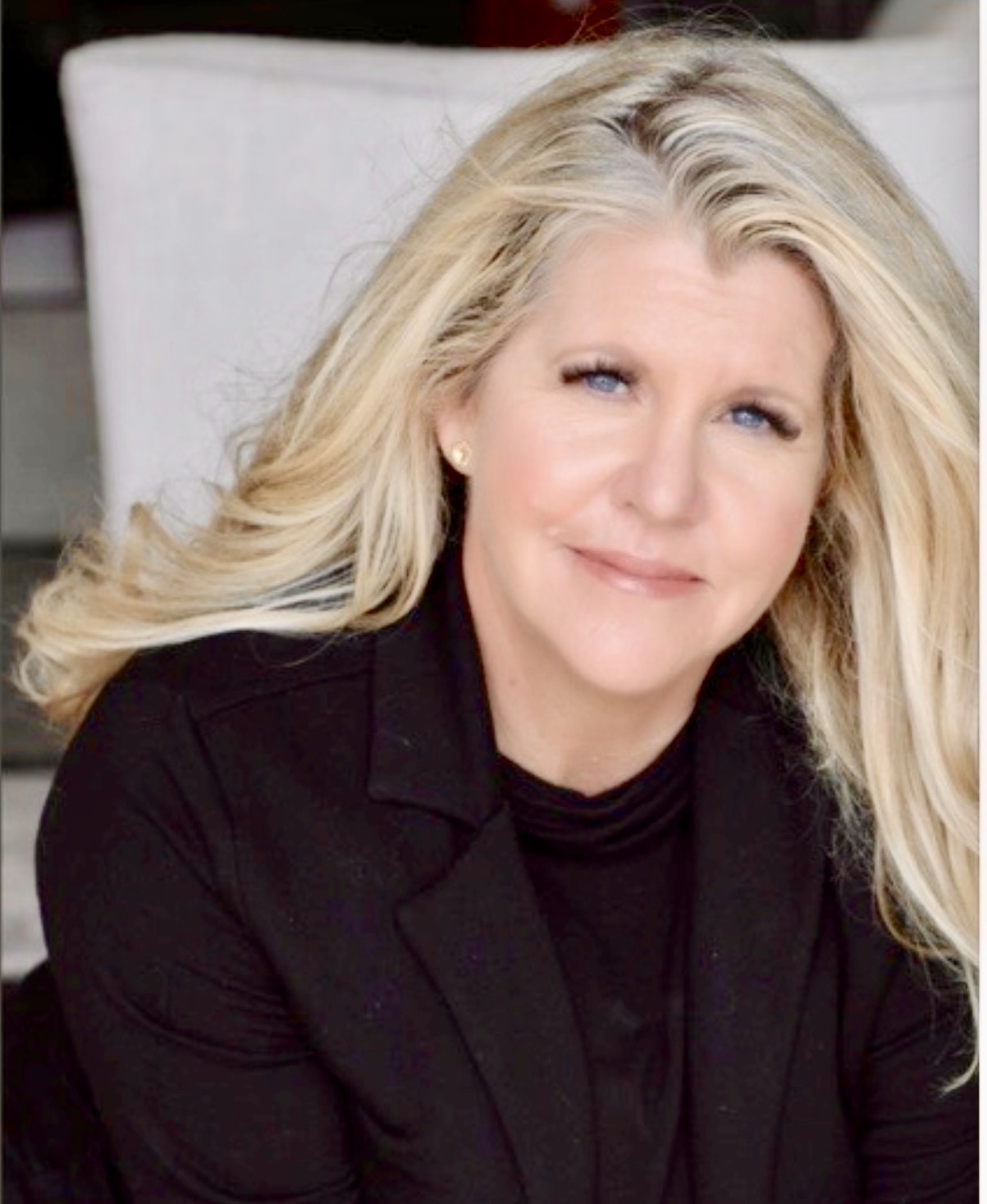
PAMELA CONLEY-ULICH
Gould – Adjunct Lecturer in Law
Top Priority: Respect and Power for All
I believe in the power of Unions. They help secure fair terms and conditions of employment and bring dignity to all workers. My father was a Machinists Union organizer. What we secure at the bargaining table can reach far beyond the workplace, into our homes, our children’s lives, and the opportunities we leave for the next generation.
I became the first in my family to earn a law degree and used it to ensure workers’ rights were honored. I know firsthand how and why our collective voice can create better opportunities and working conditions for the next generation. I am running to help turn our collective voice into a fair, enforceable first contract that recognizes our contributions and strengthens our USC family.
As an adjunct, I know how isolating teaching can feel. Through organizing, I have met more faculty in the past few months than in my previous five years of teaching. That connection matters and is inspiring.
Your priorities will shape our proposals. I will encourage survey participation across every school and faculty title, especially among colleagues who feel disconnected. I will work to translate the findings into concrete proposals, pursue those priorities at the table, and keep you informed about our progress. Your voice matters, and I will work to keep your priorities central throughout negotiations.
Qualifications:
At Gould, I teach Dealmaking in the Entertainment Industry, where we study various collective bargaining agreements. I teach students to prepare thoroughly, listen carefully, understand competing interests, and negotiate agreements that protect those they represent. Those are the practices I would bring to our negotiations.
My experience includes serving as Associate General Counsel for the Directors Guild of America, Hollywood Counsel and Litigation Supervisor for the Screen Actors Guild, and eight years on the Malibu City Council, including a term as mayor. These roles taught me how to work through disagreement, scrutinize contract language, and remain accountable to those I represent.
Actions:
I have worked to help raise our collective voice:
- June 4: Attended and documented the faculty march asking President Kim to respect the vote. Watch A Labor of Love docuseries.
- June 8: Co-authored a letter to the USC Gould Dean Tolson advocating for faculty.
- July 2: Co-hosted a Gould Town Hall to hear colleagues’ concerns and discuss our path
- forward.
- August 27: Met with colleagues and asked USC’s President to bargain in good faith.
- September 2: Attended and documented the “Respect the Vote” rally.
Why serve on the bargaining committee?
I love USC. USC is family. I have taught at USC since 2021. In 2024, I also completed USC’s inaugural Yoga and the Healing Sciences teacher training program, the same year my son graduated from Marshall and my daughter graduated from Gould. I am committed to securing better working conditions for the people who sustain USC.
My father organized for his generation. I hope to help ours build something lasting for the next.
Fight On & We Are Stronger Together!
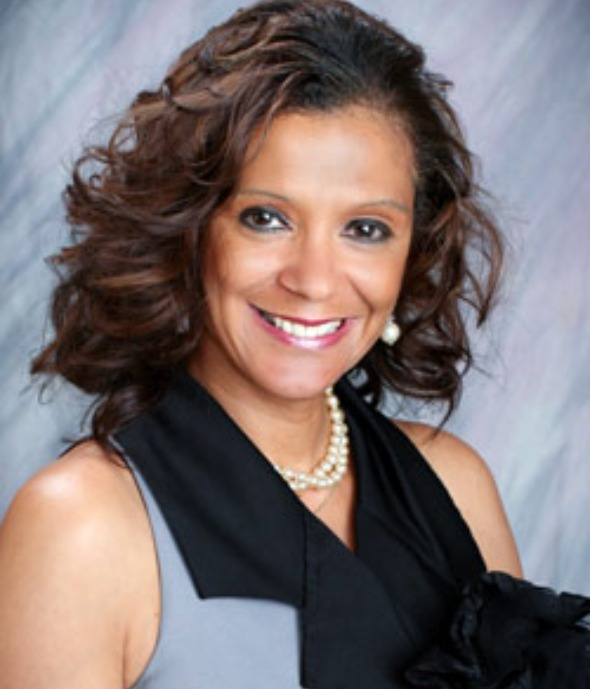
ZIVIA SWEENEY
Marshall – Leventhal School of Accounting, Full-time Professor of Clinical Accounting
As a participating member of the UAW Faculty Organizing Committee, I served as a vote captain. Currently I am a contract action team designee and continue to be involved with the Organizing Committee. I am running to be a member of the bargaining committee because I believe that a) my accounting and finance background will be extremely helpful during negotiations and b) I consider this to be the ultimate service to the university of which I am a double alum and a Trojan family member.
I received my audit training at PricewaterhouseCoopers (PWC), one of the Big 4 public accounting firms. I believe PWC is also the current external auditor for USC. My industry specialties were manufacturing, financial services, healthcare, and not for profits. I am currently an active licensed California certified public accountant (CPA).
Given my financial and accounting background, I bring to the table the following expertise given USC’s current business structure which is complex given the various lines of business. I believe my expertise will be invaluable as part of the discussion about the university’s finances.
- Extensive healthcare background, most notably having been a fiscal officer for an international Fortune 500 publicly traded hospital company-applicable regarding any discussion of healthcare system finances and its impact on university finances
- Understanding of federal contracting process and the federal acquisition regulations including A-133 reporting-USC has a large portfolio of federal and state contracts
- Served as Chief Financial Officer and/or senior financial officer for large not for profits-have an expertise in not for profits of which USC is one
- Managed the financial planning and analysis departments of Fortune 500 publicly traded companies including strategic planning as a financial officer
- Extensive mergers and acquisition experience
- As a top financial officer and/or controller, I managed the accounting, finance, and treasury functions of Fortune 500 public companies including risk management and benefit structuring
- As a senior accounting and finance officer, at points during my career I was involved on a limited basis with union-related matters from a management perspective
In most of the positions noted above, the organizations were multi-billion-dollar operations extremely larger from a top line revenue perspective than USC.
It would be a privilege to serve on the bargaining committee and to represent my fellow RPTC faculty members. I view being on the committee to secure a fair contract for the clinical faculty community as an honor. Thank you for considering my nomination.
Jurisdiction 4 (Architecture, Cinema, Drama, Kaufman, Roski, Thornton)
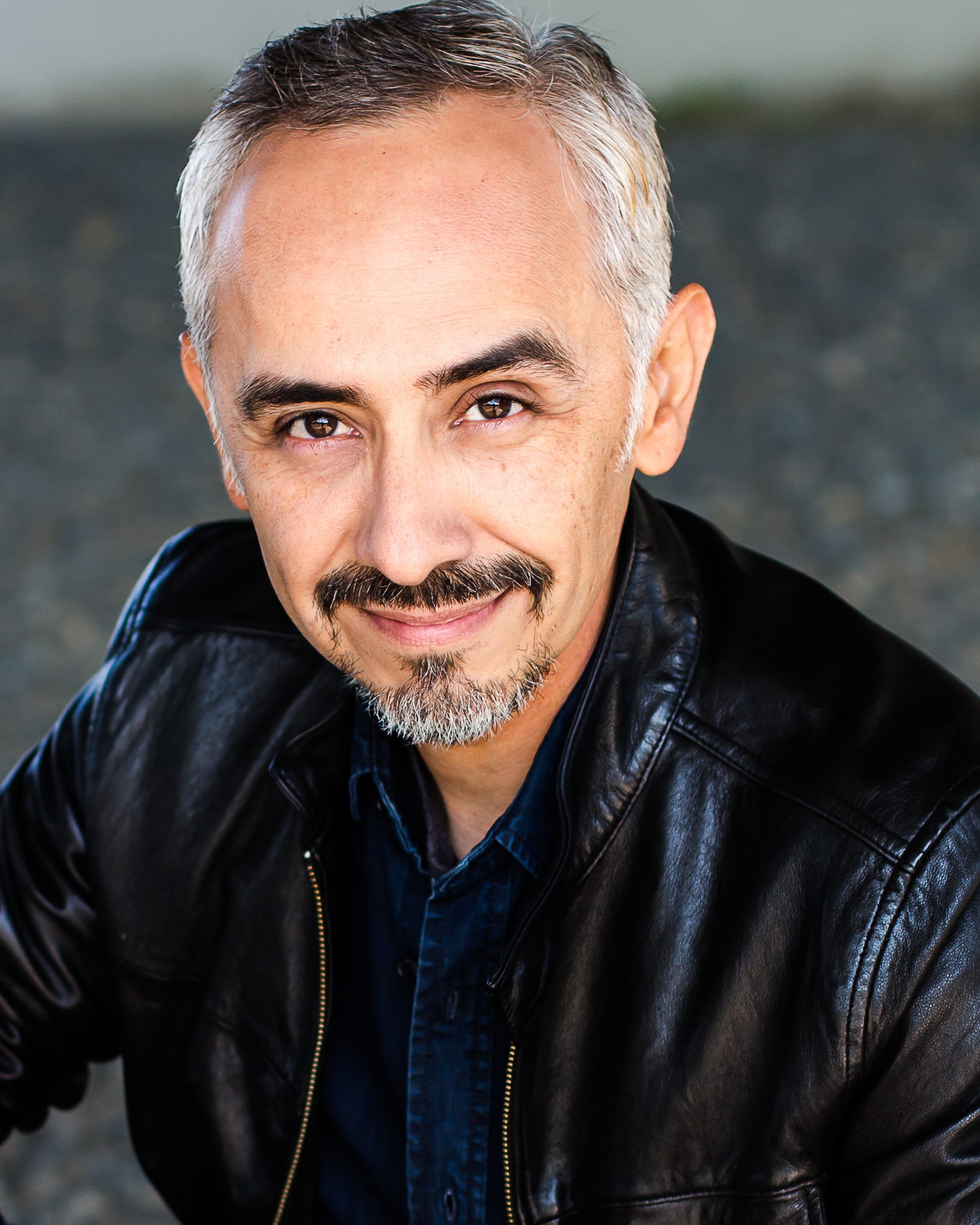
EDGAR LANDA
Dramatic Arts, Part-time Lecturer
I am a Part-Time Lecturer in the School of Dramatic Arts and have served on the faculty since 2007. I have been active in our union movement since I was first approached to sign a card several years ago. In that time I have engaged with my colleagues in the School of Dramatic Arts on the issues important to them that impact their working conditions. As one of the longer serving faculty members in the School of Dramatic Arts I am confident in the working relationships I have developed with my colleagues. This has allowed me to engage with them in an accessible way regarding our organizing efforts. For the past several years I have served on the SDA Faculty Council which has given me an insider perspective on issues that are important to SDA faculty and my colleagues across the university.
As a Part-Time instructor in one of the four art schools at USC I will bring a unique perspective to the Bargaining. A diversity of experiences, tenures and teaching backgrounds will not only make us a stronger Bargaining Committee but will allow us to better represent the needs of the faculties across the university. Actors and artists have a long tradition of being at the vanguard of social, political and labor movements and I hope to continue in that long tradition. For these reasons, I want to represent the United Faculty at the bargaining table. As a member of three other unions, I know the power of collective bargaining, and believe that together we can positively impact our working conditions, which, in turn, will enable us to better serve our students.
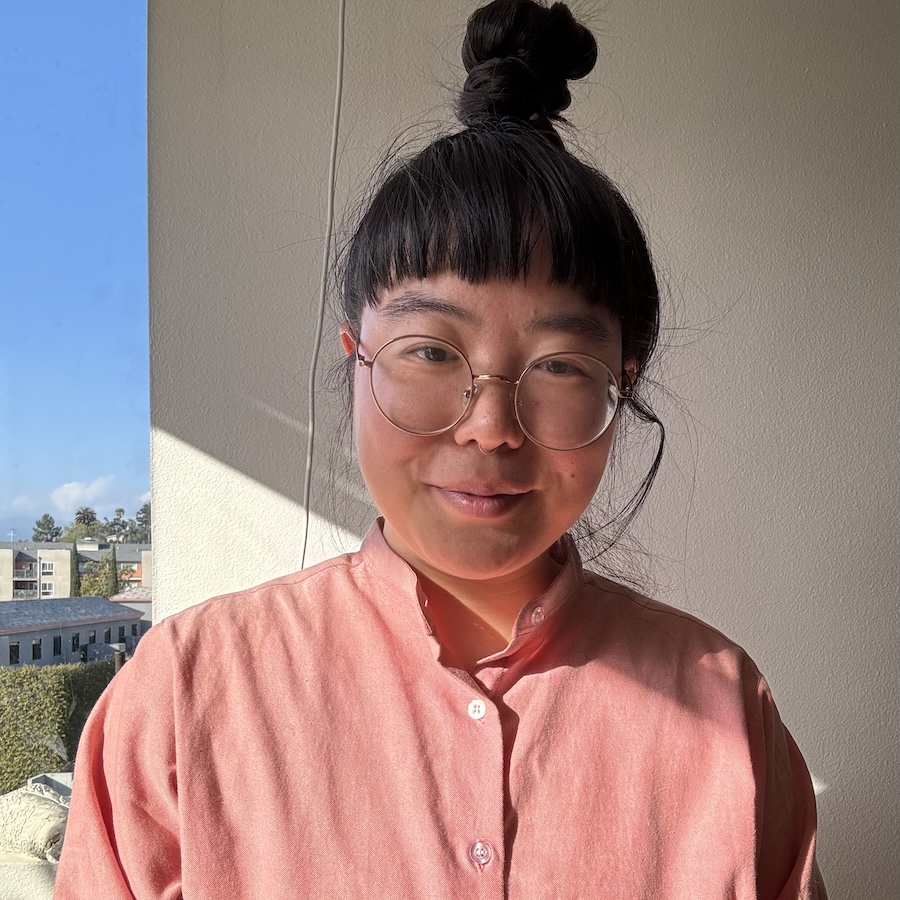
KATE YEH CHIU
Architecture, Part-time Adjunct Assistant Professor
I believe a strong bargaining committee comprises representation and advocacy for all workers in our unit to best address, uplift, and improve all of our working conditions here at USC. I’m a part-time Adjunct Assistant Professor in the School of Architecture, where I’ve worked over 50% FTE per semester since Fall 2021. USC is special to me as my first university workplace and where I learned to love teaching. I’m eager to help make USC a better workplace for faculty and, thus, a better school for our students. I currently serve on my school’s Faculty Council and have regularly served on admissions committees. Outside of USC, I’m an arts organizer and director of a non-profit arts organization. My career has been dedicated to collective work, and it would be my priority that the full range of positions and perspectives in our union is engaged, understood, and represented at the bargaining table.
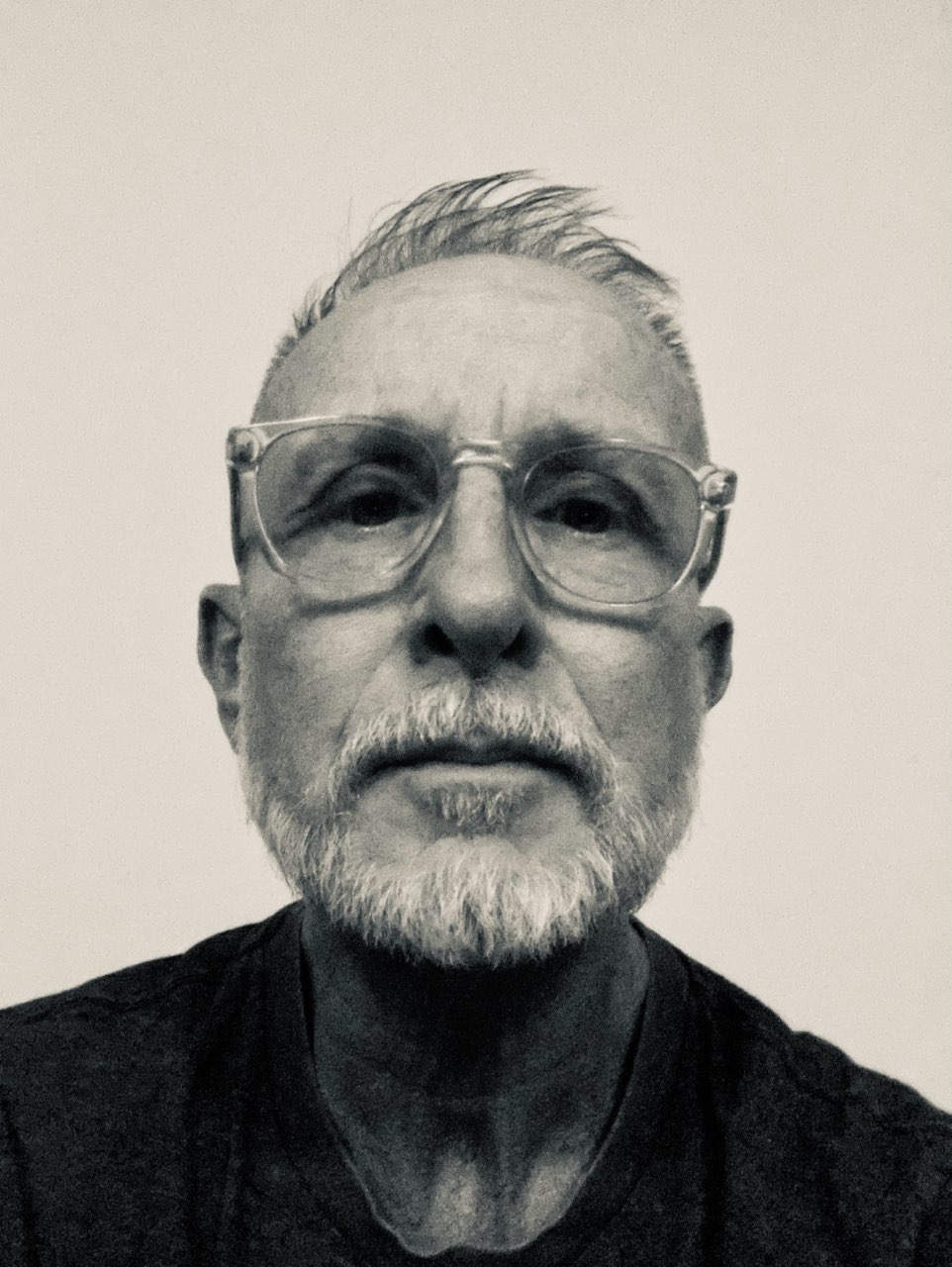
PATRICK CORBIN
Kaufman, Full-time Professor of Practice
My name is Patrick Corbin, Full-time Professor of Practice at the USC Glorya Kaufman School of Dance, and I am honored to accept the nomination to stand as a candidate for the UF-UAW Bargaining Committee.
If elected, I will be committed to building the strongest possible first contract for every member of United Faculty–UAW. Part-time, full-time, and adjunct faculty alike deserve better working conditions, and the priorities we fight for should be set by our entire membership. That starts with listening: I will help develop our initial bargaining goals from your survey responses, your feedback, and what faculty at other institutions have won in their contracts and bring those goals to you for ratification. Once those goals are ratified, I will help draft precise contract language that puts them into writing.
Although this would be my first time serving on a bargaining committee, I will come to the table ready to learn from our experienced UAW negotiators, who will train our committee and join us in negotiations to ensure we represent our membership effectively. I will attend negotiation sessions, carefully analyze the University’s proposals, and help craft counterproposals that protect our interests.
Throughout the process, I will keep you informed about where negotiations stand and how bargaining works, and I will coordinate closely with the Organizing Committee, so our members stay united and engaged. When the time comes, I will give you my honest recommendation on whether to approve a contract or take further action, including, if necessary, a vote to authorize a strike.
I am committed to speaking truth to power, standing with every faculty member in our union, and winning a first contract that serves us all.
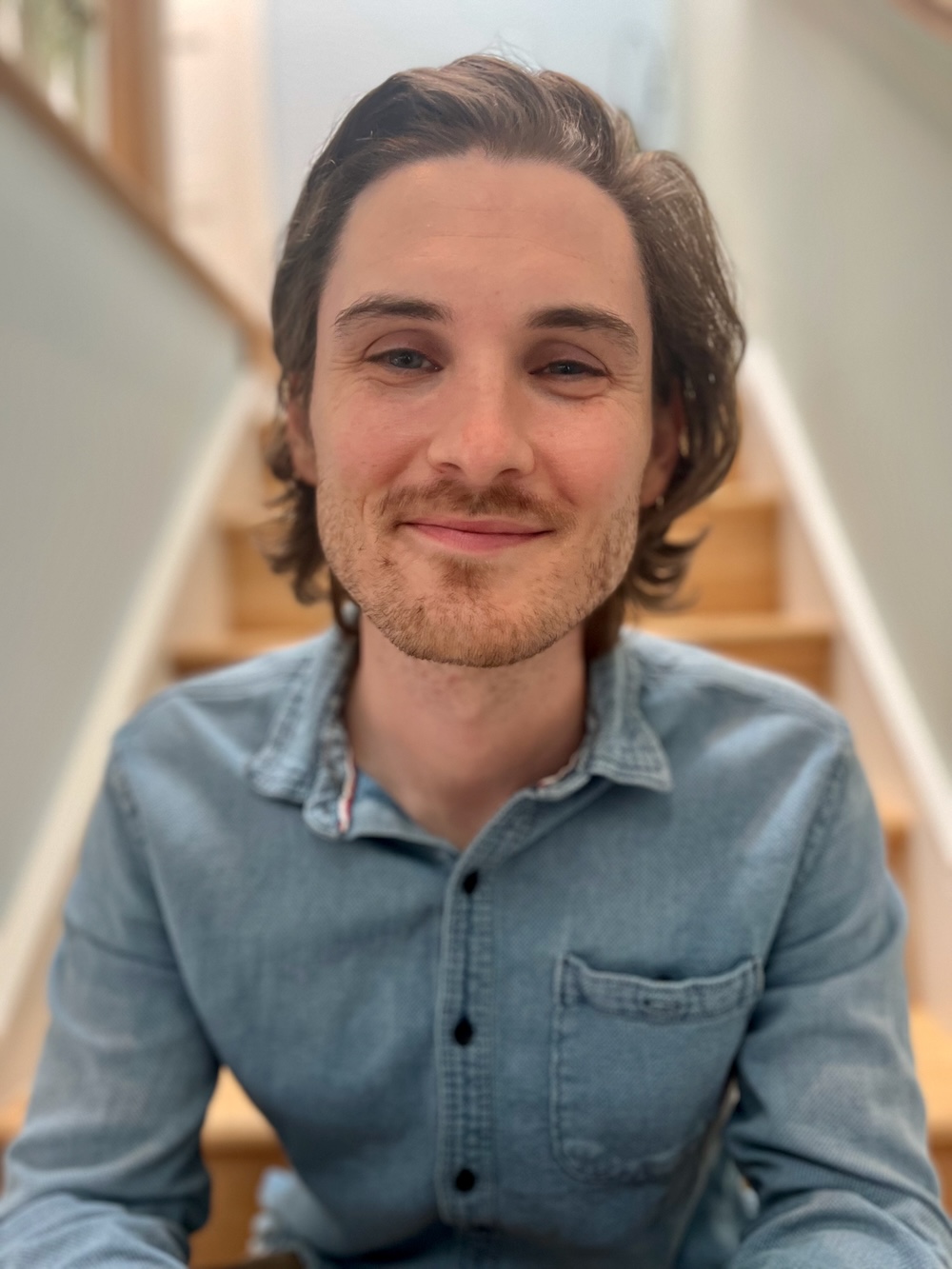
RYAN McWILLIAMS
Thornton – Music Theory, Part-time Lecturer
I’m running to be a part of the UF-UAW Bargaining Committee because I think it’s important to represent younger faculty, and arts faculty, who are nearer the beginning of their teaching careers. I want to be a part of this collective effort to put more power in the hands of RTPC faculty, those of us who do the bulk of the teaching at USC (and love it!) yet have little to no meaningful say over how the University operates. We have the opportunity to build a stronger and more resilient USC if we all come together to support one another. Because at the end of the day, we have the same shared goal: to educate and challenge our students as they decide what kind of people they will be in the world. This is our chance to model the kind of institution we want to see in this country, and I’m excited to listen and to play a small part in creating something richer and bigger than any of our individual schools.
Jurisdiction 5 (Biokinesiology & PT, Chan, Dentistry, Pharmacy, Davis)
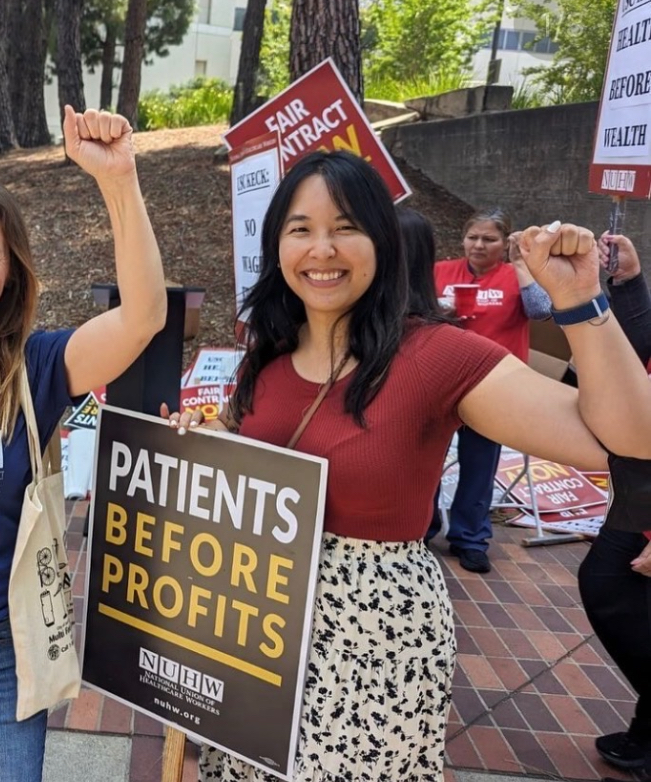
JANIS YUE – ELECTED BY ACCLAMATION
Chan – Full-time Assistant Professor of Clinical Occupational Therapy
Ever since I first stepped onto campus when I was 18 years old, USC has played a big role in my life. It has shaped me into the critical thinker and caring healthcare professional that I am today. In turn, I have contributed to the USC community through roles I have held as an undergraduate student, research assistant, resident assistant, master’s student, doctoral student, graduate student worker, and now clinical faculty member.
My experiences at USC from all of these different vantage points have made me passionate about fighting on for a better USC–one that’s more transparent, equitable, and democratic. Not just rhetorically, but in practice. In pursuit of these values, I joined my first union meeting in May of 2022 and have actively organized since to help build our union from the ground up. Though the work is by no means easy, what keeps me going is the relationships I’ve been able to develop with coworkers who have a shared vision of improving working conditions at USC.
I want to serve on the United Faculty bargaining committee to help fight for a strong first union contract—one that does all RTPC faculty justice and provides us with what we deserve. If elected, I will ensure the unique perspectives of faculty members such as myself who primarily provide clinical services are represented, while also centering active listening, intentional communication, and committed consistency in my approach towards the bargaining committee. Collective power for the win!
Jurisdiction 6 (Libraries)
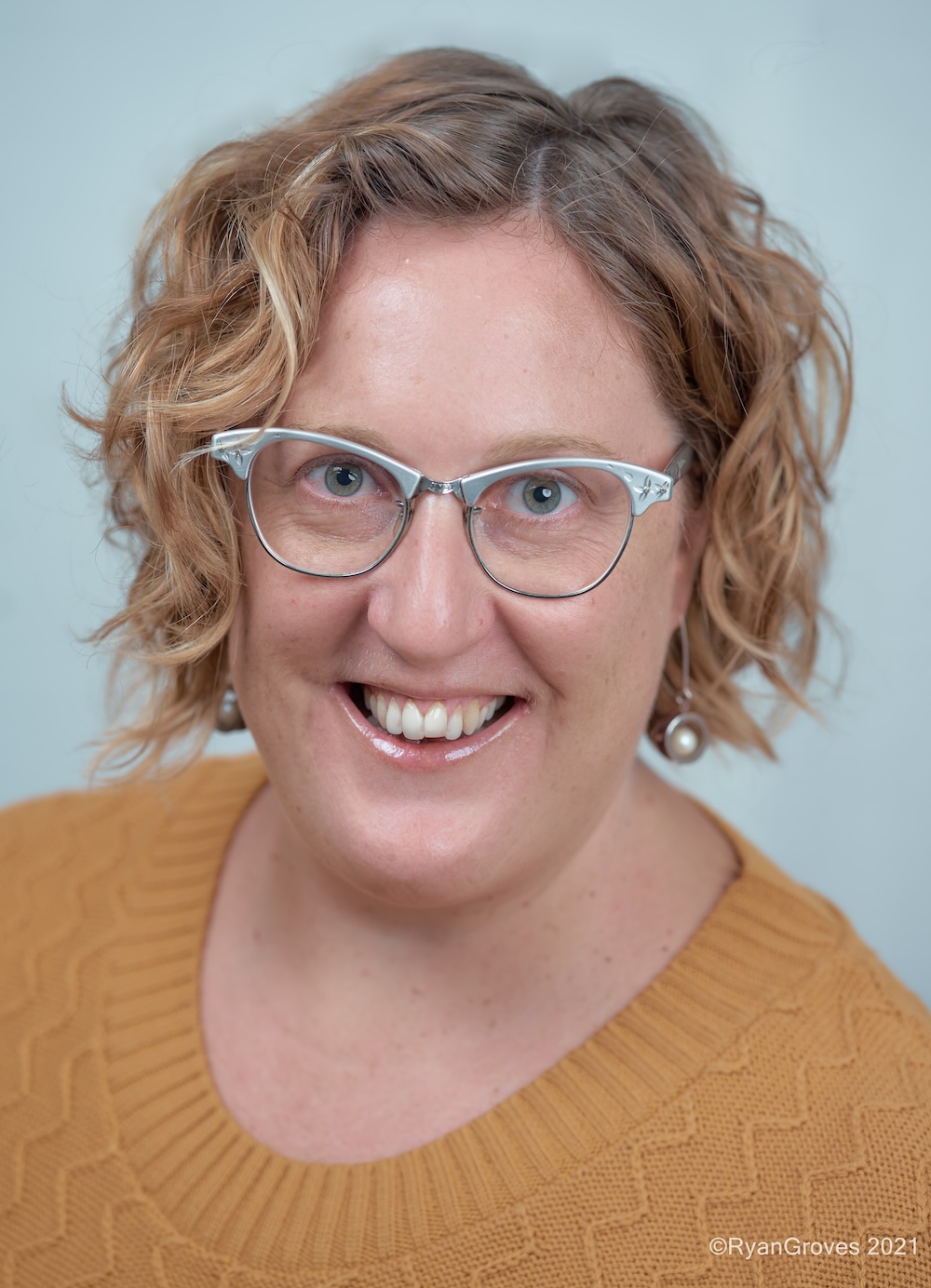
REBECCA CORBETT – ELECTED BY ACCLAMATION
USC Libraries – Full-time Associate University Librarian for Japanese Studies, Special Collections & Area Studies
I have been involved with the UF-UAW organizing for just over a year and am keen to represent my colleagues across the university through serving on the bargaining committee and winning a strong, equitable, contract that uplifts us all.